
“I think Job’s friends should have gone to therapy school.” –my pre-teen
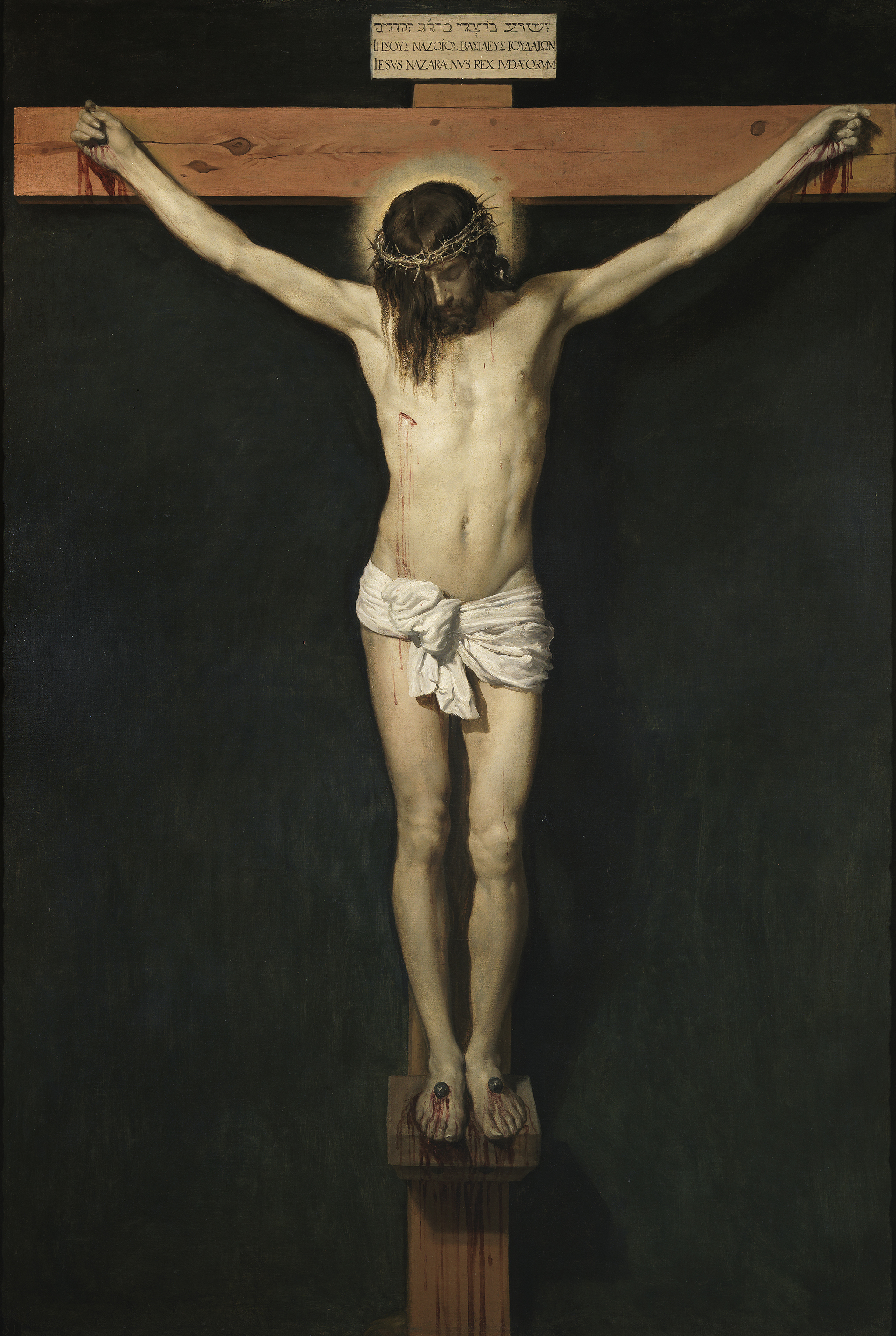
Around this time every year, I join my voice to the chorus of dressed-up church children everywhere, asking: “Wait, why do we call it GOOD Friday?”
My stock answer goes something like this: Even though Jesus died on Friday, he came back to life on Sunday, defeating sin and death, and giving the promise of new, resurrection life to all people! His death on Friday became good, even though it didn’t look so good at first.
And there are implications for us: what looks not-so-good at first, even suffering and death, can turn into good, especially when God is at work. In Genesis 50:20 Joseph says to his brothers: “You intended to harm me, but God intended it for good to accomplish what is now being done, the saving of many lives.” God brought wholeness out of harm, good out of evil. Joseph, without meaning to, foreshadows what would happen with Jesus on Easter weekend.
I still stand by this understanding of “Good” Friday. But I also worry about a human tendency to underestimate suffering, or to fetishize it. Theologian Christopher B. Hays says, “Indeed, there are times when suffering is simply evil, and must be resisted rather than embraced. The suggestion that other people’s suffering is redemptive is particularly dangerous; it risks making the observer complicit in the evil.”
Job’s friends wanted to find “other people’s suffering” (Job’s) redemptive, somehow. They wanted to see a cause-and-effect answer to why Job lost everything. Eliphaz, Bildad, and Zophar went to great lengths and used many, many words to try to find greater meaning in Job’s suffering.
They must have really wanted to turn his Terrible, Horrible, No Good, Very Bad (Fri)Day into Easter Sunday.
Maybe their pontifications weren’t for Job’s sake, but to ease their own theological cognitive dissonance.
After hearing one too many times that “Everything happens for a reason,” Job said: “I have heard many things like these before. What miserable comforters are you all!” (Job 16:2)
Thou shalt neither minimize nor romanticize my suffering, in other words.
We can be like Job’s friends: downplaying suffering because we can’t handle how awful it is, or over-glorifying it because of the power of post-traumatic growth. Both are strong human impulses—in which I’m sure I’ve participated.
But even with Good Friday soon to give way to Resurrection Sunday, the horrors of crucifixion invite—even demand—that we take seriously pain and suffering and loss and trauma and torture and abuse.
The church traditions of The Stripping of the Altar and not-celebrating Eucharist on Good Friday are embodied ways of locating ourselves at the foot of the cross, as if in real time.
If you’ve ever sat in a quiet and dark sanctuary with an eerily bare altar in Holy Week, you might have felt trapped in time. Or dislodged from your day-to-day travels through the space-time continuum. You might have even been able to inhabit a space where—even if only for a moment—you couldn’t conceive how it was going to all turn out.
I think we need such quiet moments. They help us avoid a triumphalism that skips past Good Friday and goes right to Easter, that skips death and goes right to life. So we linger at the cross a little longer, before we run to the tomb. We actually observe Good Friday.
But this Holy Week I’m wondering about going a step further. Even within Good Friday, what if I slowed down some aspects of the day itself?
I am asking:
How might my participation in Good Friday change if I tarried a little longer with Jesus’s suffering, and with the suffering of the world borne on his shoulders?
What would a Good Friday be like that didn’t hurry to ascribe greater cosmic significance to Jesus’s suffering, but just took it in, looking the crucified, tortured, abused Lord in the eyes?
What if I tried to neither minimize Christ’s suffering (because I can’t handle the atrocity of it) nor romanticize Christ’s suffering (because I need suffering be redeemed)?
What if, this Good Friday, I put the meaning-making on hold and tried to just sit quietly with Jesus in his agony?

The above is cross-posted at Healing Pastors.

 Words on the Word