PinkBibles (dot) com may be pretty niche, but I’m tempted to start it. In the meantime, I’ve been loving this pink Hebrew-English prayerbook (Siddur) from Koren Publishers of Jerusalem.

It’s small: compact size (4×6 in = 10.5×15.5 cm). That makes it easy to hold and just a little challenging to read the font, at least for these eyes that don’t want to admit they do better with reading glasses.
The “Shalem” of this Shalem Siddur means it’s complete, extra, “enhanced.” In addition to Koren’s Sacks edition of the Siddur, there are Torah readings in Hebrew and English, and the entirety of the Five Megillot in Hebrew and English (Song of Songs, Ruth, Lamentations, Ecclesiastes, and Esther). Here’s the Table of Contents:

I have absolutely loved praying with and learning from this prayerbook the last couple of weeks.
The production of this Siddur is amazing. Check out these tabs that help you navigate between sections:


For folks like me who don’t know much about Jewish prayer per se, there’s a lovely introductory section called “Understanding Jewish Prayer.” I imagine that even longtime pray-ers of these prayers will appreciate this essay by Rabbi Jonathan Sacks:

(whole essay is here)
For this review I have not read through all 1391 pages (!), but I have spent focused time with the morning prayers, the Shaḥarit.

I don’t share the belief in the necessity of washing hands before prayer, but it was interesting to see a footnote explain the custom clearly. The many “blessing” prayers do, in fact, lead me to awe and wonder and praise.
I was caught off-guard by the earthiness of this part of this prayer of blessing:
Blessed are You, LORD our God, King of the Universe, who formed man in wisdom
and created in him many orifices and cavities.
But I suppose it’s true! God created all of us. No Gnosticism here. You may note, though, the outdated generic use of “man” for “humankind.” That’s a rare spot in the translation that I object to. It’s a little distracting.
What’s not distracting is the beauty of the layout and typesetting. Not to mention the inclusion of a pink ribbon marker:

I’d expect a prayerbook of this length to have at least a second ribbon marker. But I found one I’d used for an Episcopal prayerbook back in the day!

I don’t remember where I got it, but these are cheap and worth getting if you’re going to really use a comprehensive prayer guide like this.
My favorite portion to pray has been the Pesukei DeZimra = “Verses of Praise.” It’s the perfect combination of prayer and Scripture, much of it a string of Psalms. Check it out:


There are prayers for various occasions, like this Traveler’s Prayer (note the margins):

You’ll find prayers for festivals:

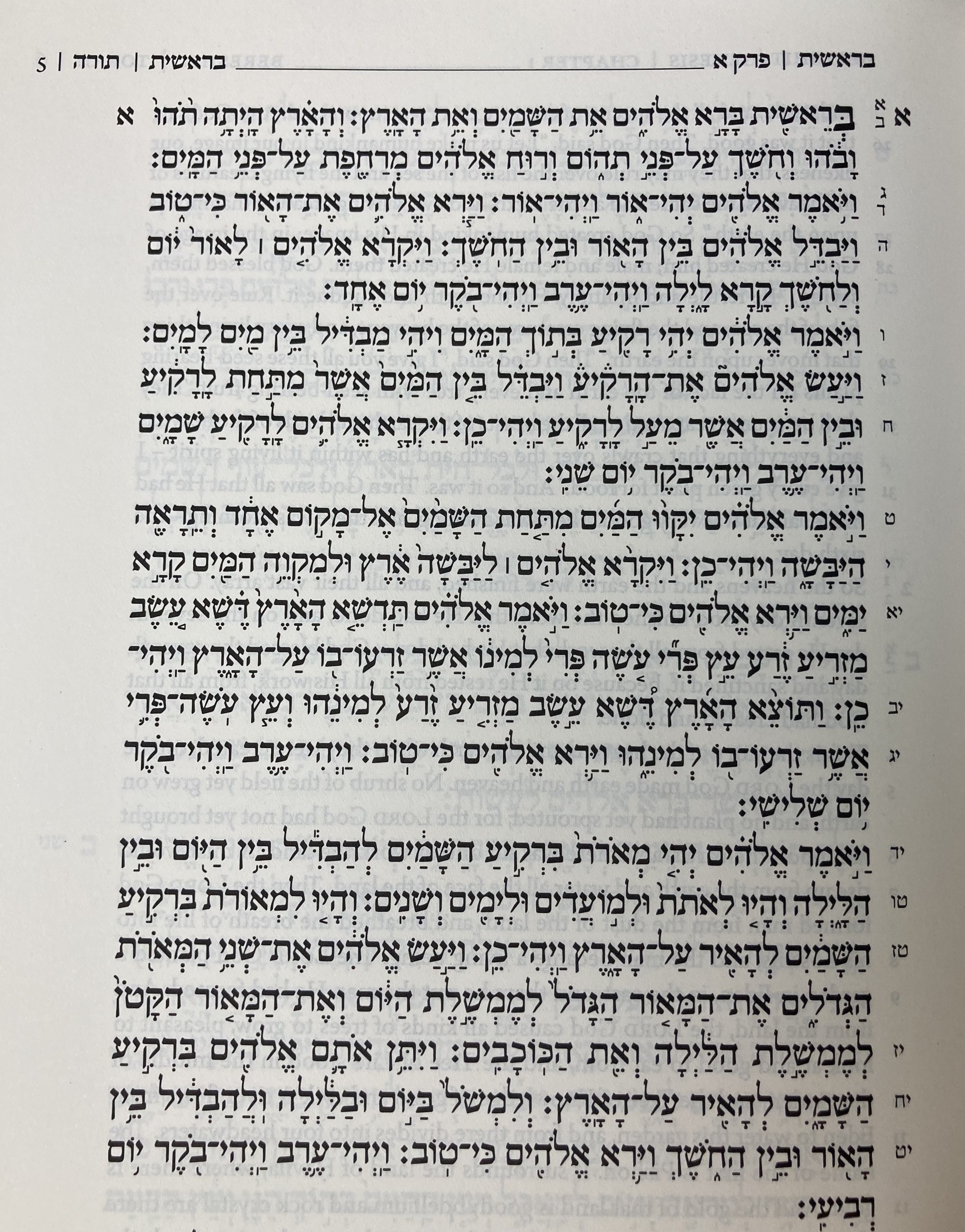
And the whole Megillot is here, in Hebrew and English. If I want to do straight Bible reading, I’ve got a lot within this prayer book to engage me:


The physical experience of reading this book is hard to capture, but it’s excellent. The Siddur smells good, the pink color is awesome, the explanatory footnotes answered many of my questions, and the overall attention to detail is incredible. Sewn binding, too! It’s amazing to me that Koren is able to sell this for around $20.

You can read a sample of this gorgeous book here. Product page is here.
Thanks to Koren for the review copy, which did not consciously affect the objectivity of this review.