American Football’s New LP3: Best In Class, Ever

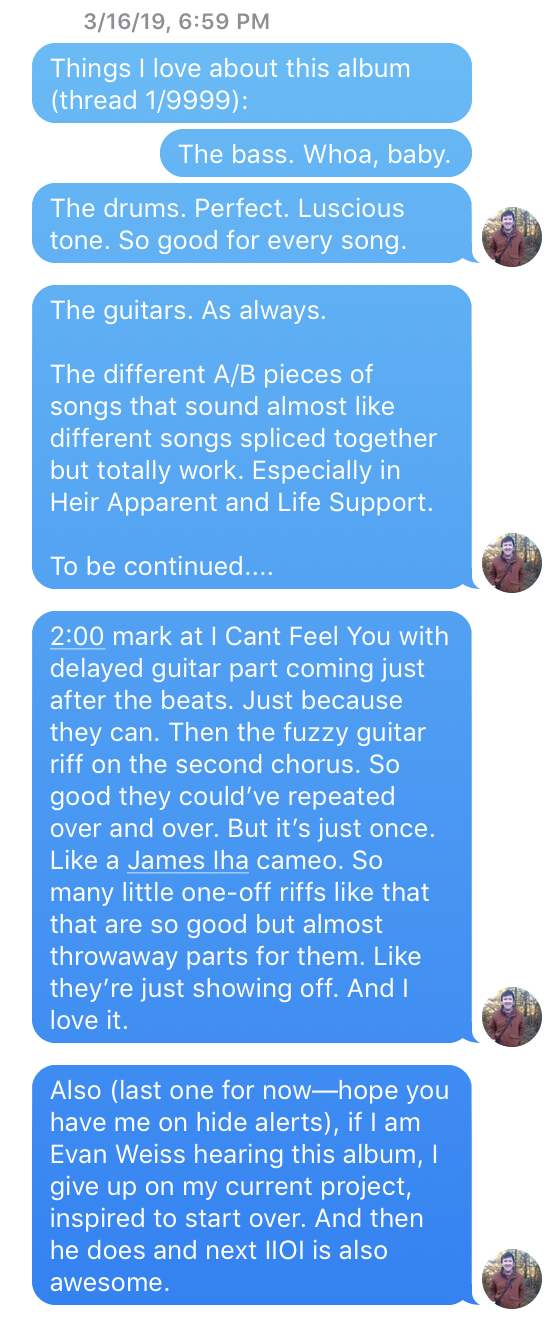
A couple dozen listens in, here’s how I was feeling about American Football’s new LP3, released last Friday through Polyvinyl Records. These are messages I sent to a good friend and guitarist I used to rock out with:


Five stars. And—you heard it here first—it’s not only American Football’s best album, but the best album this genre has produced to date.

The other reviews I’ve read or skimmed talk a lot about the lyrics. This one is more about the music itself, all written when I first listened a month and a half ago.



Whoever called this album “post-house” is a genius


American Football’s third full-length LP has my new favorite album beginning. The band released the album’s first track (its first single) well before the album’s release date. I remember when I first heard its sparse, gradually building intro. Xylophone, vibraphone, then bass. The first LP didn’t even have bass… was this even the same band? Then, and only then, does the band come in, sounding fuller, tighter, more confident, and more creative than ever before. The string swells, chimey guitars, fat (phat?) bass line, vibraphone, silky vocals, and totally perfect drums make this the best American Football song I’ve ever heard. Easily. Its 7 minutes and 22 seconds passed in an instant.

I felt like Bill and Ted must have felt when they went up to heaven and heard the future Bill and Ted’s new jams. If there were a Platonic form of an American Football song, “Silhouettes” would be it. Steve Holmes, Mike Kinsella, Nate Kinsella, Steve Lamos might be my first choice for the soundtrack of heaven.

Where do you go from the epic opening track? To vocal duets! The next two tracks feature Hayley Williams (Paramore) and Elizabeth Powell (Land of Talk). Mike Kinsella’s vocals and the interlocking guitar parts—whether as Owen or as American Football—are already so full and so good, I’d never even considered what an outside-the-band singer could do for them. It’s an awesome sound. (Track 6 features another vocalist: Rachel Goswell of the just reunited Slowdive, and it’s an amazing song.)

The flute on track 4 (“Heir Apparent”) is about the last instrument I expected to hear, but, man, is that a cool song. Just as it starts soothingly hypnotizing the listener at the 4-minute mark, in comes… well, I won’t spoil it for you. It’s yet more sweet instrumentation I never would have thought to have in an American Football song, but it works great (even if the instrumentation and the lyrics feel like a mismatch).

Thank God there’s another nearly 8-minute track on this record. The fifth track (“Doom in Full Bloom”) begins with a reverb-y trumpet (just like old times), which gives way to more ethereal goodness, this one with layered vocals, guitars, piano, and a smooth, laid back drum beat. It’s not hard to imagine this song—with its syncopated rhythms and detuned guitars—being covered by a metal band. In its current form, though, it’s smooth and beautiful.

They could have stopped after five songs and still had a genre-changing album. But the sixth track (“I Can’t Feel You,” with Goswell) is just nuts. The drum and bass combo calls to mind my favorite Radiohead track of all time, “Where I End and You Begin,” but this is very much its own song. I wouldn’t be surprised if it got radio airplay.

The last two tracks are awesome, too. The closing song “Life Support” is spellbinding.

The only thing I don’t love about this album is—years later—I still can’t tell if I think of some of Mike Kinsella’s lyrics as “overly dramatic” or if he’s just speaking openly and “honestly.” Maybe somewhere in between. Either way, the sublime music more than makes up for any impatience the listener may have with continued reference to “relentless adolescence”—a theme which, in fact, Kinsella treats beautifully in the last song.

American Football is making music on a whole new level right now—both compared to their previous stuff and compared to the rest of what’s in the emo and indie rock scene. Nothing else is close. There are few better musical experiences than putting on headphones and listening to a brand new American Football album for the first time (and it’s been two years since the last time), so once you’ve downloaded this album via the provider of your choice, block out some time and space and enjoy.

Here’s the record at Polyvinyl.


Thanks to the powers-that-be for the advance release download of this fine album, so I could write a review.

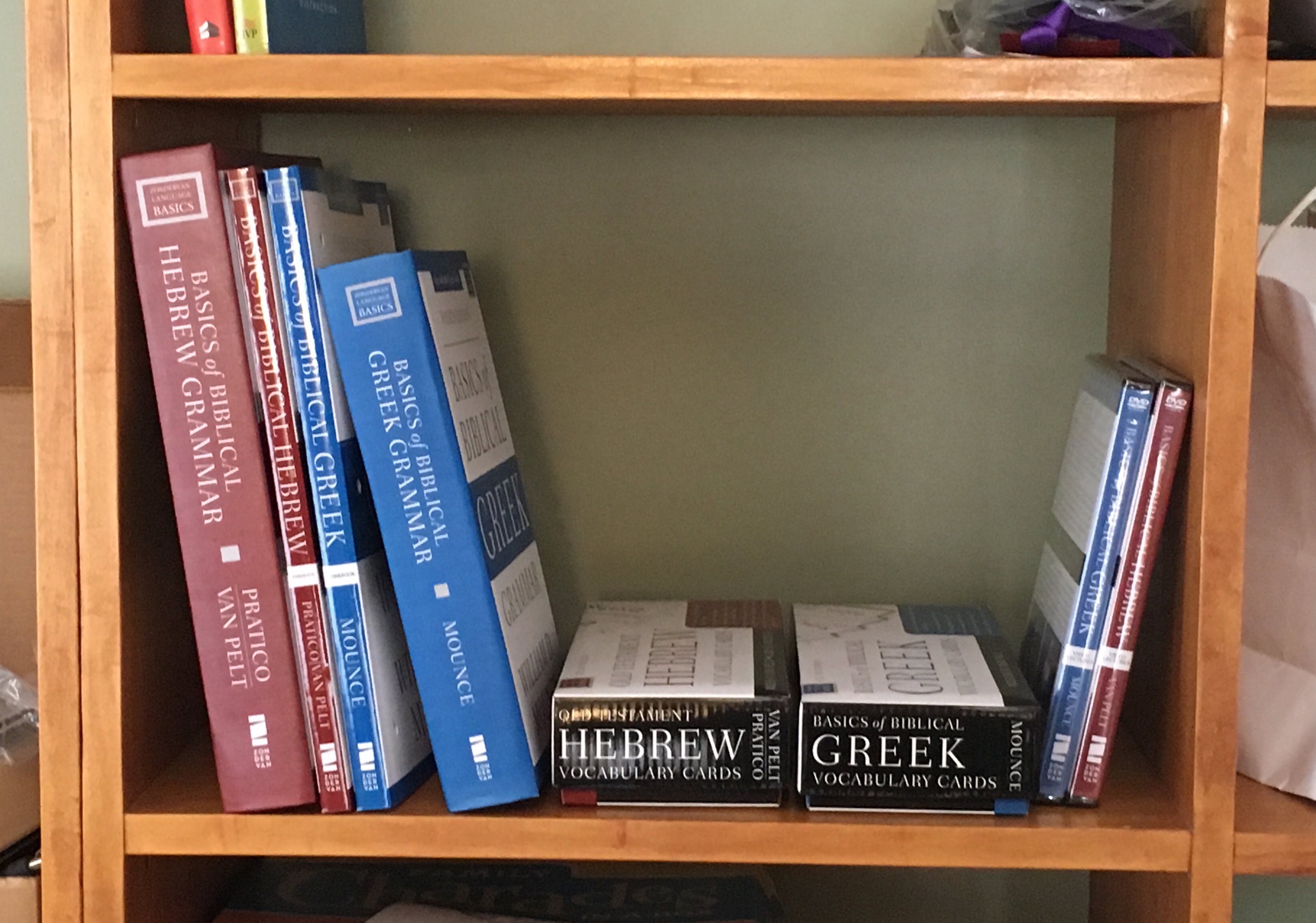
In the Mail: Updated Zondervan Greek and Hebrew Grammars

Zondervan has just released updated editions of Basics of Biblical Hebrew Grammar and Basics of Biblical Greek Grammar, as well as related aids for students working through those textbooks. Behold:


Zondervan Academic has sent these for review. It feels like a long time ago (though it was only 10 years) that I began learning biblical languages. I spent hours and hours combing through the previous editions of these Greek and Hebrew textbooks, filling out almost every page of the workbooks, and learning the vocabulary with the cards. So I’m excited to work through these resources and report back.

In the meantime, you can click the links below to learn more. When I post I’ll point out differences in the new editions, but please also leave comments or questions if you’re wondering about a specific aspect of these new resources, and I’ll do my best to address them in the reviews.

Basics of Biblical Greek: Grammar / Workbook / Vocab Cards / Compact Guide (not yet released)
Basics of Biblical Hebrew: GrammarWorkbookVocab Cards / Compact Guide (not yet released)

Oatmeal Banana Pancakes for Shrove Tuesday (from Run Fast. Cook Fast. Eat Slow.)

Yesterday in the mail I received a review copy of Run Fast. Cook Fast. Eat Slow. by Shalane Flanagan and Elyse Kopecky (publisher page / Amazon). We’ve loved its predecessor, Run Fast. Eat Slow. This new volume says you can “cook the recipes that Shalane Flanagan ate while training for her 2017 TCS New York City Marathon historic win!”

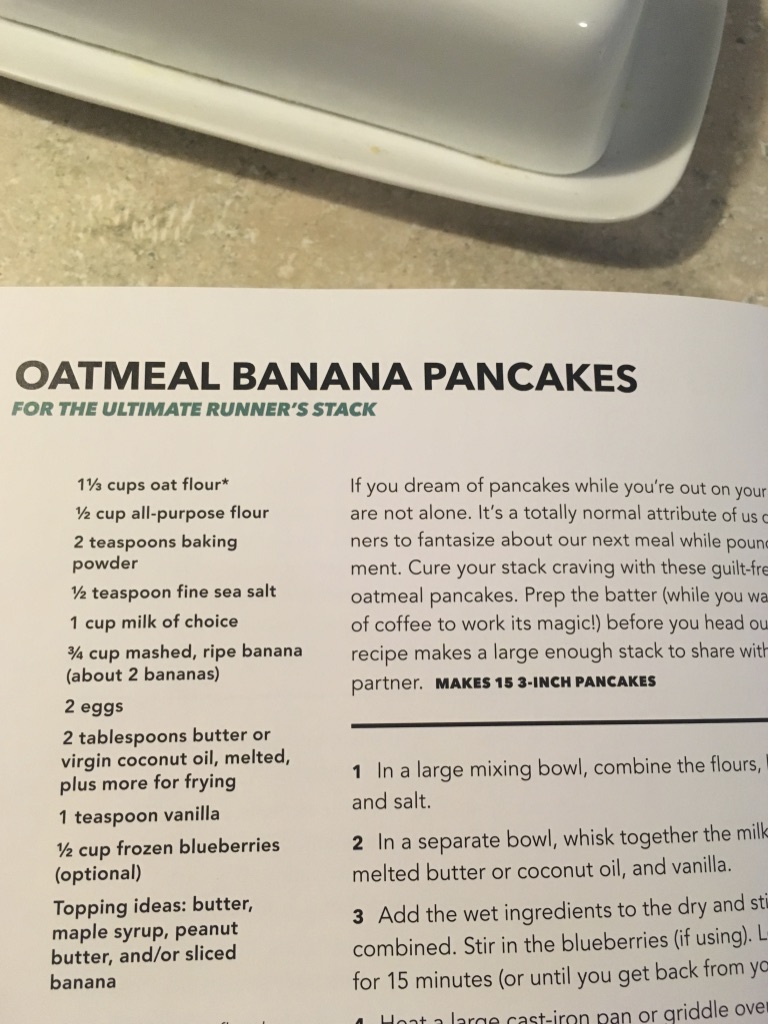
Last night I wasn’t thinking about marathons; just how to make a good dinner for the family. As yesterday was Shrove Tuesday, I went right to the index to see if there were any pancake recipes. Lo and behold, I found one for oatmeal banana pancakes:


I did not have oatmeal flour on hand, but had some organic rolled oats, which I could easily grind up in a food processor. My wife and I went to work: she mixed the wet ingredients; I mixed the dry ones (there were hungry mouths waiting). Before long, this:


became this:


They were tasty!

Between the previous cookbook and now this newer one, we have yet to find a dud of a recipe. (Although I’m not sure I’ll repeat the first cookbook’s blueberry scones made with corn meal.)

There are also racing tips and bigger picture eating strategies in Run Fast. Cook Fast. Eat Slow. So far it looks like a worthy follow-up to our current go-to cookbook. More to follow!

How to Make Yourself Poop: And 999 Other Tips All Runners Should Know (Book Review)

9781635651836


Yes, it’s a funny title, but it also is a needed skill for runners who are going to be on the road for a while.

This has been a fun book to read. The full title is Runner’s World How to Make Yourself Poop: And 999 Other Tips All Runners Should Know.

Think of this book as a few years of the Runner’s World website printed out, all in list form. There’s barely a running detail that’s not mentioned here. There are 34 chapters, split into 6 sections:

  • Section 1: 205 Training Tips
  • Section 2: 193 Nutrition Tips
  • Section 3: 126 Gear Tips
  • Section 4: 158 Motivation Tips
  • Section 5: 169 Tips for Staying Healthy
  • Section 6: 157 Racing Tips

I’ll save you the time–that’s 1,008 tips, assuming the section titles are right. But this is at it should be, since 9 tips (a list of 3 and a later list of 6) are on how to poop; then 999 other tips give you 1,008 pieces of digestible advice you can put into practice.

I mentioned this in the book note I wrote a few months ago, but from the very start, the book is practical and offers good guidance. Here are “The 5 Golden Rules of Training”:

  1. The vast majority of your miles should feel easy.
  2. Your “easy effort” should be really, really easy.
  3. Increase milage gradually.
  4. Aim for three… quality workouts each week: a speed workout, a long run, and an in-between workout at a comfortably hard pace (a “tempo run”).
  5. Follow every hard or long run with at least one easy or rest day.

You won’t find philosophical reflection on running here, nor detailed exercise science. But there’s not much else missing. You get, for example, tips on how long to warm up for different races, whether a 1-miler, a 5K or 10K, a half marathon, or a full marathon. There’s lots of good advice about injury prevention, race etiquette, hydration, and even some sample interval workouts–one of which (a “pyramid fartlek”) I tried and loved.

You can check out the book at Amazon here, and at its publisher’s site (where you can read an excerpt) here. Definitely a book most runners will want to have on their shelf and keep referring back to, as I will in the months and years ahead.


Thanks to the publisher, who sent me a review copy, but with no expectation as to the content of my review.

A Running Journal

I’m keeping one now. And it’s fun! The heart and soul of this pre-made journal I’m using is the two-page weekly spread:


running log


running log 2


It’s the Believe Training Journal from Lauren Fleshman and Roisin McGettigan-Dumas. My wife was probably not wrong when she said its teal cover and graphics could have earned it a spot at a junior high girls retreat, but I’m okay with that. The journal itself is great. It’s got:

  • the above shown two-page (undated!) spread for tracking run details each week
  • “this week’s focus” for each week: such a helpful exercise to think this through before running
  • a week-end “rundown”–an act of reflection I haven’t otherwise been doing with my running apps
  • quotes from various runners to inspire
  • a guided goal-setting section
  • race logs
  • short articles on various topics throughout: e.g., racing, recovery, community, setbacks, and more

This is easily the best running journal there is, if a pre-made/lightly guided running log is what you’re after. Check out some more of the inside:


race reviews


(Click/tap on any of the three below to enlarge)


There are “check-in” pages throughout:


check-in


Here’s an article:


article


The whole thing is undated (a year’s worth of pages) and includes an annual calendar. I was going to start in 2019 but couldn’t wait, so for me this is a November 2018-October 2019 journal.


annual calendar


The cover is “flexi-bound synthetic,” which is a little stronger than softcover, but still can easily get banged up in a backpack (if you just toss it in, as I have been):


cover bend


There certainly are simpler journals on the market, but the articles here have drawn me in, so that this is kind of a souped-up, one-stop shop for my year’s running annals. The size is just about perfect (6″ x 7 ½”), and the included ribbon marker can go in at my current week.

You can find the journal here, with other color options available, as well.


Thanks to the great folks at VeloPress for the review copy.

Strength Training for Triathletes, from VeloPress

Strength Training for TriathletesIf you’re into exercising, you should know about VeloPress. If it’s a sport in the triathlon (or associated topics like nutrition), they’ve got you covered. Here’s a short review of Strength Training for Triathletes, 2nd Edition, by Patrick Hagerman.

I have barely seen this book since it arrived, since it has been my spouse’s constant companion for her triathlon training. She doesn’t usually travel with (or need) books for exercise, but this one has gone with her to the gym or pool regularly. That’s a good sign.

Here’s the publisher’s description:

Certified USA Triathlon coach and NSCA Personal Trainer of the Year Patrick Hagerman, EdD, reveals a focused, triathlon-specific strength training program that will enable triathletes to push harder during training and on the racecourse when the effort is hardest. Triathletes who master this progressive strength training program will also become more resistant to injury, meaning fewer missed workouts.

Strength Training for Triathletes features 75 of the most effective strength training exercises for triathlon swimming, cycling, and running plus core strength and general conditioning. Full-color photographs illustrate each simple exercise, and exercises are grouped so athletes can focus on their own individual performance limiters. Hagerman simplifies the science underlying strength training, offering easy-to-follow guidelines on resistance and reps that will make triathletes stronger through every phase of the season.

The exercises themselves are split into seven chapters: one for “core conditioning,” and then one each for upper and lower body for swimming, cycling, and running.

The author asks right away: why train for strength when the triathlon is an endurance sport? Why train muscles and not just cardiovascular?

The short answer is that strength training makes muscles stronger, and stronger muscles can perform longer at higher intensities before they fatigue.

Or, in other words, “When you have more muscle to rely on, it takes longer to wear it out.”

As a runner I found compelling the science behind this that Hagerman unpacks. When I think about working out, I only ever want to run (more miles!), but he makes a convincing case for the value of strength training—not just as its own end, but also as a means to the end of better race endurance (and speed).

As for the exercises themselves, the descriptions are short, easy to follow, and accompanied by pictures so you are clear on what to do.


Knee Raise


Dumbbell Incline Press


There’s a great accompanying Website for the book, with more exercises and excerpts here.

And if you sign up for VeloPress’s newsletter, you get $10 off an order through their site.

You can find Strength Training for Triathletes, 2nd Edition here (publisher’s page) or here (Amazon).


Thanks to the publisher for the review copy, offered without expectation as to the content of this review.

Book Note: Runner’s World | How to Make Yourself Poop: And 999 Other Tips All Runners Should Know

9781635651836


Yesterday in the mail I received for review a Runner’s World book I’ve been looking forward to reading: How to Make Yourself Poop: And 999 Other Tips All Runners Should Know.

It’s a book of lists. It reads like a series of short, digestible blog posts, which has already made it easier for me to pick up and dive into.

34 chapters are divided into 6 sections:

  • Section 1: 205 Training Tips
  • Section 2: 193 Nutrition Tips
  • Section 3: 126 Gear Tips
  • Section 4: 158 Motivation Tips
  • Section 5: 169 Tips for Staying Healthy
  • Section 6: 157 Racing Tips

(That adds up to 1,008 tips, if you’re curious.)

The book is helpful from the beginning, with “The 5 Golden Rules of Training”:

  1. The vast majority of your miles should feel easy.
  2. Your “easy effort” should be really, really easy.
  3. Increase milage gradually.
  4. Aim for three… quality workouts each week: a speed workout, a long run, and an in-between workout at a comfortably hard pace (a “tempo run”).
  5. Follow every hard or long run with at least one easy or rest day.

As you might guess from the title, the book is playfully irreverent at times (though not in the tiresome way that The Brave Athlete is). Given its nature as a book of lists, I’m not expecting to find in-depth running science or extended philosophical reflections on running. However, I think this might be the first running book I’ve seen that has a whole section on how to lace up your shoes! Something I do before every run, but have barely considered how to do (except to crank them down as tight as possible).

I look forward to digging in more. You can check out the book at Amazon here, and at its publisher’s site (where you can read an excerpt) here.


Thanks to the publisher, who sent me a review copy, but with no expectation as to the content of my review.

Music Review: Indigo by Wild Nothing

Wild-Nothing-Indigo_FINAL.jpgI made the mistake of not checking the van stereo’s volume before pressing play on “Letting Go,” the first track on Wild Nothing’s new LP Indigo (released August 31 on Captured Tracks). The kids and I all nearly jumped out of our seats at the opening sixteenth note hits on the snare. The keyboard, bass, and interlocking guitars join in to make it a great opening track (the album’s first single).

“Oscillation” is next, which—without taking away from its originality—sounds something like if members of The Cure and James and Amusement Parks on Fire formed a supergroup… in 1982.

The rest of the album maintains a (glorious) 80s vibe, complete with ethereal keyboard riffs and attention-demanding lead guitar lines. I kept thinking: this is what Prince would sound like if he covered early 80s CCM classics! (That’s praise, not a complaint.) The album’s saxophones fit perfectly, even if their first entrance on the album was a surprise.

I took great pleasure in having a traveling companion/listening partner try to guess what year the album came out. “2018” was not the expected answer!

The production is excellent on the album, the melodies are catchy, and all the instrument parts are interesting. It’s got a sweet vibe. I still like 2012’s Nocturne better—it feels a little more effortless—but Indigo is still a great record.

Check out the artist site here, the label site here, and the album at Amazon here.


Thanks to Wild Nothing’s PR team for early access to the album so we could review it.

New Innocence Mission Album: Sun on the Square

Review by Brian Bayer-Larson and Abram K-J

The gap between the last two Innocence Mission albums was five years. Now, a mere three years after releasing Hello I Feel the Same (reviewed here), The Innocence Mission has put out Sun on the Square (Badman Recording Co).


the-innocence-mission-full-band-crop_preview-1024x569
The Innocence Mission (image via Badman)


The album begins with two measures of a nylon string guitar arpeggiating a major chord, which quickly turns minor as the vocals enter, instantly evoking a yearning for connection. This first track, “Records from Your Room,” uses piano sparingly and gorgeously. The haunting high-register melody perfectly compliments the lyrics: “I meet you there out in the air // I’m listening.” It’s a compelling way to link this album to ones before it, setting the stage for something new but familiar.

The second track, “Green Bus,” offers an exquisite interplay of guitars—soft and understated, but precise and tight. “I cannot find a thing beautiful enough for you again,” Peris sings. The song’s strings are beautiful, expressing more ineffable longing.

In “Look Out From Your Window” (featuring a Peris kid on viola!) Peris still wants to listen: “All I cannot say I hope you know // All you cannot say I hope I can hear.” There is a theme of disconnect mingled with hope, acknowledging the reality that we cannot achieve ultimate communion with one another, even asbut that we hold out hope that one day we will. It is on this track that there is (at last!) some percussion.

“Shadow of the Pines” is an instant classic, and easily a top 10 Innocence Mission song. The muted piano is as if they decided to use toy instruments and coaxed all the beauty they could out them. The song is like stepping out of the Metro in Paris on a spring afternoon, encountering a fantasy made real. The instrumental closing of the track gives the listener layers of melodic, moving riffs, which—were this any other band—could have built for another five minutes. (The song is a modest 4:01.)

The spare use of electric guitar on “Buildings in Flower” is a nice touch. Don Peris’s guitar is tastefully employed and never over-shimmery (if that’s even possible!). More drums! (But only for the last quarter of the song.) If “And it’s hard to know, now, where we should go” is the call, the response (in question form) is, “Will the lifting of a window let the Spirit in, and then we begin to vividly live?”

0013723792_10

The sixth and title track, “Sun on the Square” is probably the most complex song on the album and maybe one of their most ambitious compositions ever. Loads of string swells as the rhythmic song goes on, which is a great sound for the band. “Let there be more kindness in the world,” Peris sings.

If the next track “Light of Winter” sounds familiar, it’s because a previous version (called “From the Trains”) appeared on a sweet EP called “the snow on pi day.” It could be a Radiohead song. The first version—which we like a little better—had a little more backbone to it—bass and drums where there is piano now. The songs are different enough that renaming it made sense. The new version is still great. The theme of light–and seeing it–continues.

Track 8, “Star of Land and Sea,” is practically brutal in its child-like expression of hope in a dark world. There are echoes of the same two-note, high-pitched guitar riff from the previous track, which ties them together nicely.

The second to last song is “An Idea of Canoeing,” the chords and mood of which are reminiscent of Lakes of Canada. Where else are you going to find a melodica? More wondering: “Will I cross the street to you / in the traffic breaks / in the light of this / in the light of this love / here and now?”

“Galvanic” is a nice way to end the album. She sings in hope, “I believe we are going to see, things will come right this time.”

Overall, this is a very good album (can the band create otherwise?) with a lot to dig into, both lyrically and aurally. The band seemed to write and record this album with a soft touch, not risking too much. But you’ll only find gratitude here for the ways this record returns to the lush notes and tones of My Room in the Trees and Befriended.

As with all their albums there is an undeniable authenticity that comes through in their music. Amazingly, the band’s songs could produce the same emotional response in the listener, whether or not they produce them with multiple instruments. Karen’s voice and heart-rending lyrics come through with every composition. Also amazing is her ability to write so skillfully (and for such a long time now) about such universally human themes as loneliness, disconnect, hope, light, and vision. The hope is uniquely Christian, or at least one that looks up. It’s this—and the unique and always moving music—that keeps us coming back to them.

Check out the album here at Badman or here at Bandcamp.


Thanks to Badman for early access to the album so we could review it.

Drawn from Nature: A Stunning Children’s Book

Helen Ahpornsiri’s Drawn from Nature might be the most beautiful children’s book we’ve ever read. (And we’ve read a lot of them over the years.)

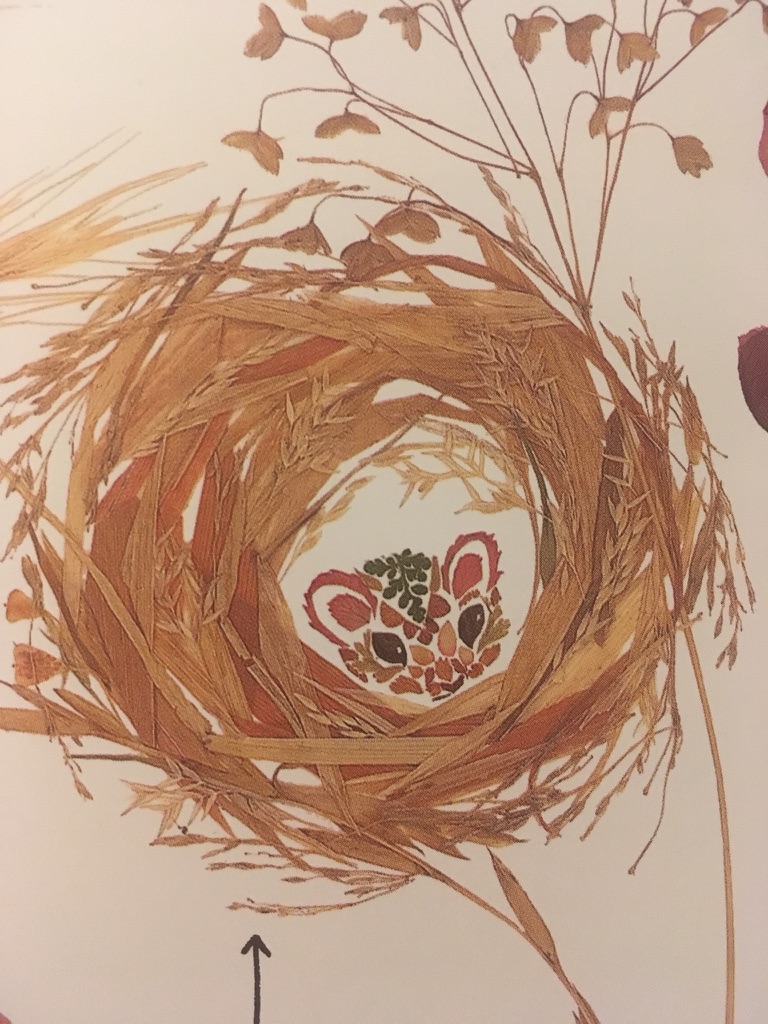
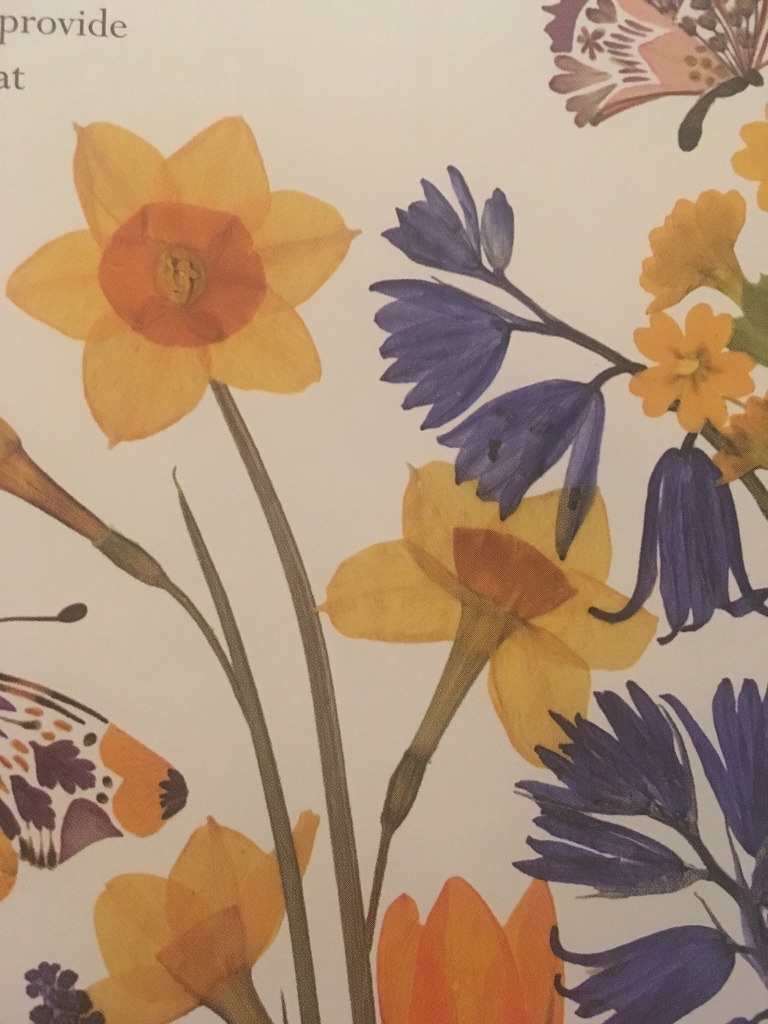
Ahpornsiri uses plants pressed by hand to lead the reader through the four seasons: Spring, Summer, Autumn, Winter. The text itself is informative and lyrical, but the artwork is stunning.

Here are some pictures:


I can’t imagine how long it takes to illustrate a book (let alone do one page!) with hand-pressed plants. This 64-page book invites staring and wonder at the beauty of creation… not just that Ahpornsiri created from pressed plants, but how she did it. The creations that emerge are gorgeous.

My kids have gotten lost in this book already, as have I. It’s really fun to read a section at bedtime, but any child—reader or not—can easily find themselves swept up in these pages.

You can go here to look inside. Find the book at Amazon here, or through its publisher here.


Thanks to the good folks at Candlewick/Big Picture Press for sending the book for review, though that did not influence my opinions.