Greek Isaiah in a Year, Week 11=Isaiah 13

This week in Greek Isaiah in a Year covers Isaiah 13 in its entirety.

Here is the schedule and text for Monday through Friday, using again the text from R.R. Ottley’s Book of Isaiah According to the Septuagint. (As always, Ottley is here on Amazon, here in Logos, and here as a free, downloadable pdf in the public domain.) The full reading plan for our group is here (pdf).

Monday, February 11Isa 13:1-4

1 Ὅρασις ἣν εἶδεν Ἠσαίας υἱὸς Ἀμὼς κατὰ Βαβυλῶνος. 2 Ἐπʼ ὄρους πεδινοῦ ἄρατε σημεῖον, ὑψώσατε τὴν φωνὴν ἑαυτοῖς, μὴ φοβεῖσθε· παρακαλεῖτε τῇ <χειρι> · ἀνοίξατε, οἱ ἄρχοντες· 3 ἐγὼ συντάσσω, καὶ ἐγώ, αὐτούς· ἡγιασμένοι εἰσίν, καὶ ἐγὼ ἄγω αὐτούς· γίγαντες ἔρχονται πληρῶσαι τὸν θυμόν μου χαίροντες ἅμα καὶ ὑβρίζοντες. 4 φωνὴ ἐθνῶν πολλῶν ἐπὶ τῶν ὀρέων, ὁμοία ἐθνῶν πολλῶν, φωνὴ βασιλέων καὶ ἐθνῶν συνηγμένων. Κύριος σαβαὼθ ἐντέταλται ἔθνει ὁπλομάχῳ

Tuesday, February 12: Isa 13:5-8

5 ἔρχεσθαι ἐκ γῆς πόρρωθεν ἀπʼ ἄκρου θεμελίου τοῦ οὐρανοῦ, Κύριος καὶ οἱ ὁπλομάχοι αὐτοῦ, τοῦ καταφθεῖραι τὴν οἰκουμένην ὅλην. 6 ὀλολύζετε· ἐγγὺς γὰρ ἡ ἡμέρα Κυρίου, καὶ συντριβὴ παρὰ τοῦ θεοῦ ἥξει. 7 διὰ τοῦτο <πᾶσα χεὶρ> ἐκλυθήσεται, καὶ πᾶσα ψυχὴ ἀνθρώπου δειλιάσει· 8 καὶ ταραχθήσονται οἱ πρέσβεις, καὶ ὠδῖνες αὐτοὺς ἕξουσιν ὡς γυναικὸς τικτούσης· καὶ συμφοράσουσιν ἕτερος πρὸς τὸν ἕτερον καὶ ἐκστήσονται, καὶ τὸ πρόσωπον αὐτῶν ὡς φλὸξ μεταβαλοῦσιν.

Wednesday, February 13: Isa 13:9-13

9 Ἰδοὺ γὰρ ἡ ἡμέρα Κυρίου ἀνίατος ἔρχεται θυμοῦ καὶ ὀργῆς, θεῖναι τὴν οἰκουμένην ἔρημον καὶ τοὺς ἁμαρτωλοὺς ἀπολέσαι ἐξ αὐτῆς. 10 οἱ γὰρ ἀστέρες τοῦ οὐρανοῦ καὶ ὁ Ὠρίων καὶ πᾶς ὁ κόσμος τοῦ οὐρανοῦ τὸ φῶς οὐ δώσουσιν, καὶ σκοτισθήσεται τοῦ ἡλίου ἀνατέλλοντος, καὶ ἡ σελήνη οὐ δώσει τὸ φῶς αὐτῆς. 11 καὶ ἐντελοῦμαι τῇ οἰκουμένῃ ὅλῃ κακά, καὶ τοῖς ἀσεβέσι τὰς ἁμαρτίας αὐτῶν· καὶ ἀπολῶ ὕβριν ἀνόμων, καὶ ὕβριν ὑπερηφάνων ταπεινώσω. 12 καὶ ἔσονται οἱ καταλελιμμένοι ἔντιμοι μᾶλλον ἢ τὸ χρυσίον τὸ ἄπυρον, καὶ ὁ ἄνθρωπος μᾶλλον ἔντιμος ἔσται ἢ ὁ λίθος ὁ ἐκ Σουφείρ. 13 ὁ γὰρ οὐρανὸς θυμωθήσεται, καὶ ἡ γῆ σεισθήσεται ἐκ τῶν θεμελίων αὐτῆς, διὰ θυμὸν ὀργῆς Κυρίου σαβαώθ, τῇ ἡμέρᾳ ᾗ ἂν ἐπέλθῃ ὁ θυμὸς αὐτοῦ.

Thursday, February 14: Isa 13:14-18

14 καὶ ἔσονται οἱ καταλελιμμένοι ὡς δορκάδιον φεῦγον καὶ ὡς πρόβατον πλανώμενον, καὶ οὐκ ἔσται ὁ συνάγων, ὥστε ἄνθρωπον εἰς τὸν λαὸν αὐτοῦ ἀποστραφῆναι, καὶ ἄνθρωπον εἰς τὴν χώραν αὐτοῦ διῶξαι. 15 ὃς γὰρ ἐὰν ἁλῷ ἡττηθήσεται, καὶ ὅσοι συνηγμένοι εἰσὶν μαχαίρᾳ πεσοῦνται. 16 καὶ τὰ τέκνα αὐτῶν ἐνώπιον αὐτῶν ῥάξουσιν, καὶ τὰς οἰκίας αὐτῶν προνομεύσουσιν, καὶ τὰς γυναῖκας αὐτῶν ἕξουσιν.17 ἰδοὺ ἐπεγείρω ὑμῖν τοὺς Μήδους, οἳ οὐ λογίζονται ἀργύριον οὐδὲ χρυσίου χρείαν ἔχουσιν. 18 τοξεύματα νεανίσκων συντρίψουσιν, καὶ τὰ τέκνα ὑμῶν οὐ μὴ ἐλεήσουσιν, οὐδὲ ἐπὶ τοῖς τέκνοις σου φείσονται οἱ ὀφθαλμοὶ αὐτῶν.

Friday, February 15: Isa 13:19-22

19 καὶ ἔσται Βαβυλών, ἣ καλεῖται ἔνδοξος ὑπὸ βασιλέως Χαλδαίων, ὃν τρόπον κατέστρεψεν ὁ θεὸς Σόδομα καὶ Γόμορρα. 20 οὐ κατοικηθήσεται εἰς τὸν αἰῶνα χρόνον, οὐδὲ μὴ εἰσέλθωσιν εἰς αὐτὴν διὰ πολλῶν γενεῶν, οὐδὲ μὴ διέλθωσιν αὐτὴν Ἄραβες, οὐδὲ ποιμένες οὐ μὴ ἀναπαύσωνται ἐν αὐτῇ. 21 καὶ ἀναπαύσονται ἐκεῖ θηρία, καὶ πλησθήσονται οἰκίαι ἤχου· καὶ ἀναπαύσονται ἐκεῖ σειρῆνες, καὶ δαιμόνια ἐκεῖ ὀρχήσονται, 22 καὶ ὀνοκένταυροι ἐκεῖ κατοικήσουσιν, καὶ νοσσοποιήσουσιν ἐχῖνοι ἐν τοῖς οἴκοις αὐτῶν. ταχὺ ἔρχεται καὶ οὐ χρονιεῖ.

See here for more resources and links to texts for Greek Isaiah.

And here are the Week 11 readings above, but in pdf form.

Göttingen in Logos is On Sale Friday

Photo by Logos
Photo by Logos

$369.95 for the Göttingen Septuagint in Logos Bible Software. It’s on sale for International Septuagint Day, all day Friday (midnight to midnight). If you click here, it adds to your cart, and you can purchase from there–whether you already have the academic discount or not. Marked down from $700.

I reviewed the Göttingen Septuagint in Logos here. Its product page is here.

The Göttingen Septuagint in Logos Bible software

Photo by Logos
Photo by Logos

Göttingen. Not just a city in Germany, but a word that instills awe and fear in the hearts of every student of the Septuagint who must eventually consult the set of Old Greek editions by that name.

Okay, that’s maybe a bit dramatic. I do suspect, however, that if one finds it challenging to learn how to read the leading critical edition of the Hebrew Bible–the Biblia Hebraica Stuttgartensia or BHS–the Göttingen Septuagint will prove even more difficult to decipher.

Not impossible, though.

In celebration of International Septuagint Day Friday, here I review the Göttingen Septuagint in Logos Bible Software. The full name is Septuaginta: Vetus Testamentum Graecum Auctoritate Academiae Scientiarum Gottingensis editum. It’s published by Vandenhoeck & Ruprecht in Göttingen, Germany. The Göttingen Septuagint has published over 20 volumes covering some 40 biblical books (counting the minor prophets as 12). Publication of additional volumes, while slow-going, is in progress.

The typical contents of a volume include:

  1. The introduction (“Einleitung”)
  2. The reconstructed Greek critical text (“Der kritische Text”)
  3. The Source List (“Kopfleiste”) (not every Göttingen volume has this)
  4. The First Critical Apparatus (“Apparat I”)
  5. The Second Critical Apparatus (“Apparat II”)

In two previous posts I wrote a primer on how to read and understand the Göttingen Septuagint. In part 1 I wrote about the reconstructed Greek critical text and the source list (full post is here). In part 2 I explained how to understand the first critical apparatus, here. Each of those posts contains additional explication of Göttingen, so the one who is new to it may want to pause here to read more there. Having written at length about numbers 2-4 above, a future post will cover 1 (the introduction) and 5 (the second critical apparatus).

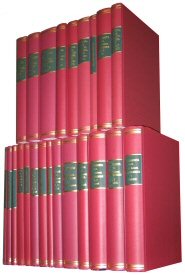
Logos is the only Bible software that has available all of the published volumes of the Göttingen Septuagint. Though Logos offers the set in 67 volumes, that corresponds to the 24 existing print volumes. This includes the 2004 Supplementum, which offers a “list of Greek manuscripts of the Old Testament,” sorted by date, region, writing material, and more, and which also cross-references various editors’ classifications of manuscripts against each other, so that differing systems can easily be compared.

There is, of course, the question of which Bible software to use in general. I’ve written about issues like layout, functionality, cost, and so on here, which includes both praises and critiques of Logos, Accordance, and BibleWorks. So what about Göttingen in Logos?

From what I’ve seen, the text of Göttingen in Logos is the most accurate digital text available. I am aware of others who have found typos in Göttingen for Logos, but based on a verse-by-verse read of Isaiah 1-11, I found just one error in Logos compared to the print text. The Accordance text of Göttingen for Isaiah, by contrast, had 14 spelling mistakes, misplaced words, or wrong inflections in that same span. This was a surprise to me, since Accordance aims to produce “research-grade” texts, a goal which sometimes means their texts take longer to complete than other software companies. (Accordance currently has some, but not all, of the Göttingen volumes that exist in print.) As of right now, as far as the actual critical text of Göttingen, Logos seems to be the best bet for consistent correspondence to the print text.

It’s easy to set up the critical text and both apparatuses in three separate areas in Logos, syncing them to scroll together. One can also easily add a tab with an English translation, Hebrew Masoretic text, and more, so as to use Göttingen in conjunction with other resources. Here’s how I use Göttingen in Logos (click for larger):

Göttingen Isaiah layout

Assuming you have other versions of the Septuagint available in Logos (Rahlfs, Swete, etc.) you can use the Text Comparison feature (top right in the shot above) to see where the critical text of Göttingen differs from another Septuagint text. I’ve found this to be a useful and time-saving feature. (One can do the same with the Compare tool in Accordance, though there’s an unresolved issue with that tool that impacts use of Göttingen. [UPDATE: It’s now resolved.] Accordance’s comparison tool is, however, a bit more versatile with its “List Text Differences” feature.)

You can use the critical text as any other text in Logos–double-click on a word to look it up in a lexicon (I have LEH open at bottom center above), right-click to do a variety of other searches, word study, etc. It doesn’t take long to see how many times the Göttingen text uses a given word.

As to the critical apparatuses, you can mouse over blue hyperlinked abbreviations to find out what they stand for. Or you can have an Information window open, as here (click to enlarge):

Abbreviations spelled out

The apparatus abbreviates Latin and German, which is what the Information tab shows. (The Göttingen introductions are in German.) Miles Van Pelt’s short chart (in English) is helpful with the Latin (pdf here). And there is an English translation of the Pentateuch introductions available here (with Exodus being the most complete one). But there is no mechanism in Logos to translate the German or to decipher the apparatus. Accordance is the same here, and neither Logos nor Accordance offer a German-English dictionary, so one couldn’t even link to that. The general academic assumption, of course, is that by the time someone is using Göttingen in their study of the Septuagint, they are already learning (or have learned) German. (Ah, but academic assumptions….) I’m not sure it’s fair to fault Logos (or Accordance) for this lack, but a German-English dictionary as a future module would help a lot of users.

Speaking of the introduction, the introductions to each volume are nicely laid out with plenty of hyperlinks for easy reference:

Introduction to Isaiah

You’ll have to know German to get very far in the introduction, but note the link above to English translations for some of the introductions. Also, though one ought not to rely too much on it, Google Translate takes the user surprisingly far if she or he simply copies from Logos and pastes here.

One thing lacking in the Logos Göttingen is the Kopfleiste (Source List). Not every print volume has it, but the five Pentateuch volumes, Ruth, Esther, and others do. Accordance, by contrast, includes this feature for the Göttingen volumes that have it. The Kopfleiste makes the most sense in a print edition (since it is a list of manuscripts cited on a given page), but someone doing serious textual research using Göttingen in Logos would still feel its lack. No word yet from Logos on if/when that will come available.

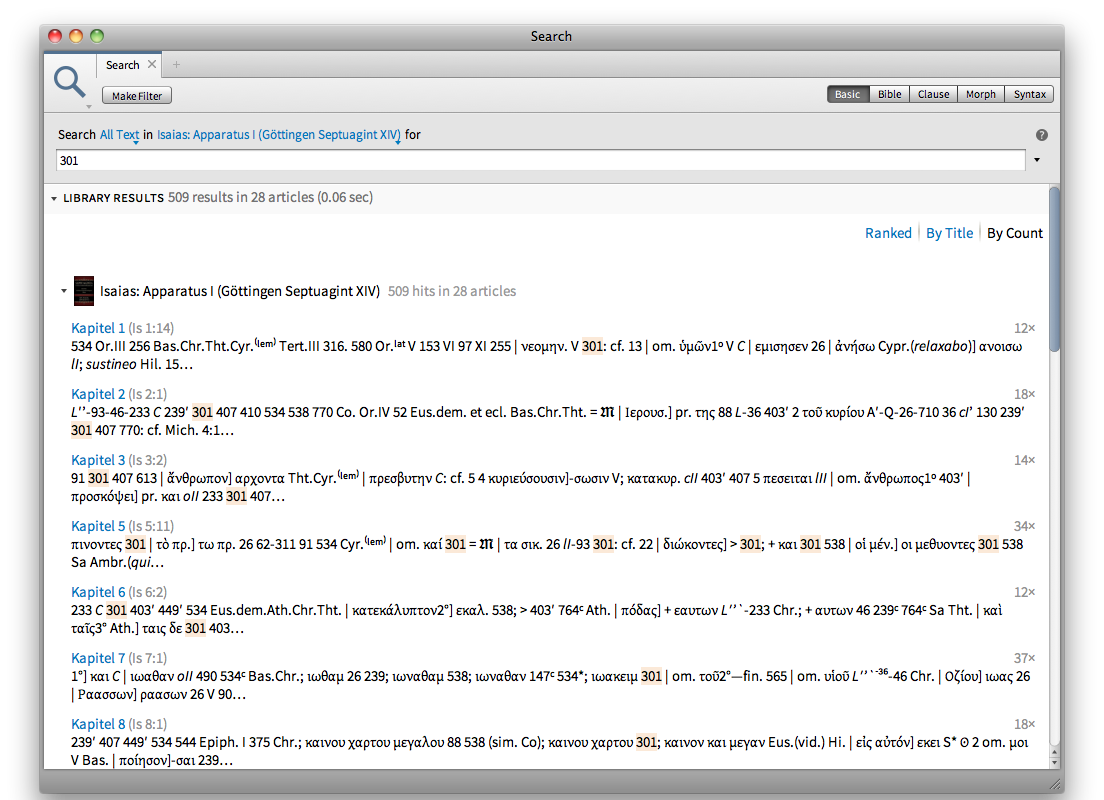
What about searching the apparatuses? Less than ideal here, though not unmanageable. If I want to see every time the First Critical Apparatus in Isaiah cites the Minuscule manuscript 301, I right click to “Search this resource,” but the results are grouped as follows (click to enlarge):

MS301

To my knowledge it is not possible to expand these results in this screen (pane) to see every use of MS 301, which is what I really want to be able to do. (If I am mistaken and find a way, I’ll post here again.) The shortcut command+F (in Mac) or control+F (in Windows) is an alternate way to search a text in Logos. The apparatuses are searchable using this keyboard shortcut; in this case all the instances of MS 301 are highlighted as you scroll through the apparatus, so you can still see all its occurrences.

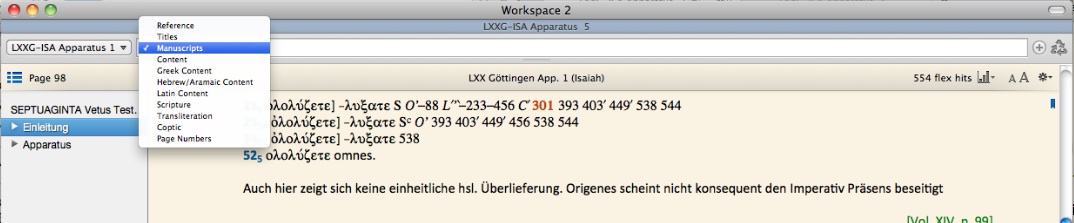
Accordance, by contrast, offers multiple ways of searching an apparatus: by references, titles, manuscripts (most helpful), Hebrew, Greek, or Latin content, and more. This makes Accordance’s apparatuses really usable and easy to navigate in multiple ways.

accordance search fields

The price for the Logos Göttingen is a bargain. I mean, $700 is not cheap, but considering that the same sum would get you just a few volumes of the print edition, it’s a great deal. The academic program gives you a significant discount in this case, too.

By the way, a tip for using Göttingen efficiently in Logos: Brian Davidson of LXXI has a neat way to set up a Logos layout to include multiple Göttingen books. (They list in the Logos library all as separate volumes, not as one Septuagint.) His suggestion (here) is a good way to go.

All in all, the Logos Göttingen is a worthwhile investment, especially if you primarily want Göttingen for the critical text itself, and for the chance to compare it with other Septuagint editions. The lack of a Kopfleiste is not an immense loss, but the inability to search apparatuses by multiple search fields (and with expandable results) is a drawback. So the potential purchaser will just have to consider what his or her needs are. Accordance nails it in apparatus searching, but their critical text in Isaiah had more mistakes than one who needs an accurate text would like.

Logos has a fully digitized Göttingen Septuagint, so if you need access to everything that exists in print, know that this is the only Bible software where you can get it. Accordance continues production on their volumes and, as far as I know, will see the project through to completion. (Though see here and here, a project of Computer Assisted Tools for Septuagint Studies.)

In Logos it’s convenient to be able to scroll through all of the Göttingen Septuagint with additional resources open and a click away. The electronic availability (and affordability) of Göttingen is a significant step forward in text criticism and Septuagint studies.

Many thanks to Logos Bible Software for the review copy of the Göttingen Septuagint, given to me for the purposes of review, but with no expectation as to the content of my review. Accordance provided me with their Göttingen Isaiah for purposes of comparison.

More Books For Sale

I’ve got a few more books to offer for sale–largely an effort to make a bit more space on the shelf.

Here are some books and reference works (including a little bit of Bible software) that I’m offering for sale at a discounted rate. All prices include free shipping to U.S. addresses. Interested in anything? Contact me using this form, and we’ll talk.

IVP Bible Background

IVP Bible Background Commentary: New Testament
Like New
ISBN: 978-0830814053
Used just a few times. No markings. In great shape.
$22 (SOLD)

bdag

Greek-English Lexicon of the New Testament (BDAG)
for BibleWorks Software
Compatible with BibleWorks 5, 6, 7, 8, and 9. I’ve been in touch with BibleWorks to confirm that on completion of sale, one user license transfers to the buyer with no fee, so that you can use BDAG in your BibleWorks. (Must have purchased and own BibleWorks to be able to use this.)
Significant discount from buying new (where it’s $150).
$99 (SOLD)

Paradigms and Principal Parts

Paradigms and Principal Parts of the New Testament
Very Good
Inside clean, no marking. Sticker on back and ink/scuff mark on the front, other slight markings on cover, but nothing that obscures text
$22 SOLD

WBC Mark vol 1

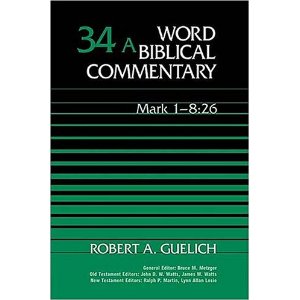
Word Biblical Commetary: Mark 1-8:26 (Guelich)
Very Good
Clean inside. Strong binding. Barely used. Some wear to dust cover (small tear, small fold).
$20 SOLD

Ezra Nehemiah BHQ

Ezra and Nehemiah: Biblia Hebraica Quinta (BHQ)
Like New
Taken out of shrink wrap and used just once or twice.
Excellent condition.

$45 (SOLD)

Greek Grammar Wallace

Greek Grammar Beyond the Basics
Very Good/Like New
Just some edge and cover wear. Light blue cover as pictured, but same contents as dark blue cover.
$22

UBS Handbook

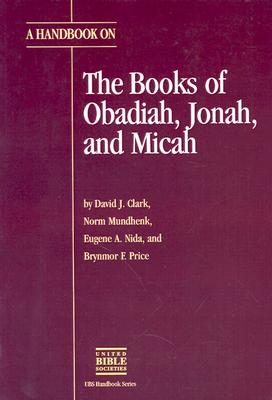
A Handbook on the Books of Obadiah, Jonah, and Micah
(UBS Handbook)
Like New condition
Barely used at all. Pulled off shelf just a couple of times.
$29 SOLD

HALOT

The Hebrew and Aramaic Lexicon of the Old Testament,
2 volume set (HALOT)
Very Good condition
ISBN: 978-9004124455
In great shape. Just some wear and tear (rubbing on page edges, e.g.).
No internal markings. 2 volume study edition (same full contents as 5 vol. edition).

$179 SOLD
Note: I also have HALOT in BibleWorks (see BDAG note above). Would possibly consider an offer.

Readers Hebrew English Lexicon

A Reader’s Hebrew-English Lexicon of the Old Testament
Very Good condition
ISBN: 978-0310369806
Former owner’s name on inside, no other markings. Small rip on top left corner of dustjacket, which has some other wear. Small crease on back cover of book, but does not affect integrity of book. Book itself in great shape. 720 pages.
All words that occur less than 50x in OT are listed in canonical order, verse-by-verse.
$39 SOLD

Free shipping on all orders. If you’re interested in buying–or just have questions–you can reach me using this form, and we’ll go from there.

Greek Isaiah in a Year, Week 10=Isaiah 10:30-Isaiah 12

International LXX Day

First things first: Friday is International Septuagint Day. I’ll post again more then. This week in Greek Isaiah in a Year covers Isaiah 10:30 through the end of Isaiah 12 (a six-verse chapter). Friday we celebrate International Septuagint Day by reading a whole chapter of the Old Greek of Isaiah.

Here is the schedule and text for Monday through Friday, using again the text from R.R. Ottley’s Book of Isaiah According to the Septuagint. (As always, Ottley is here on Amazon, here in Logos, and here as a free, downloadable pdf in the public domain.) The full reading plan for our group is here (pdf).

Monday, February 4Isa 10:30-34

30 ἡ θυγάτηρ Γαλείμ, ἐπακούσεται ἐν Σά, ἐπακούσεται ἐν Ἀναθώθ· 31 ἐξέστη Μαδεβηνὰ καὶ οἱ κατοικοῦντες Γιββείρ. 32 παρακαλεῖτε σήμερον ἐν τῇ ὁδῷ τοῦ μεῖναι, τῇ χειρὶ παρακαλεῖτε τὸ ὄρος τὴν θυγατέρα Σιών, καὶ οἱ βουνοὶ οἱ ἐν Ἰερουσαλήμ. 33 ἰδοὺ γὰρ ὁ δεσπότης Κύριος σαβαὼθ συνταράσσει τοὺς ἐνδόξους μετὰ ἰσχύος, καὶ οἱ ὑψηλοὶ τῇ ὕβρει συντριβήσονται, καὶ ταπεινωθήσονται οἱ ὑψηλοί, 34 <καὶ πεσοῦνται ὑψηλοὶ> μαχαίρᾳ, ὁ δὲ Λίβανος σὺν τοῖς ὑψηλοῖς πεσεῖται.

Tuesday, February 5: Isa 11:1-5

11 Καὶ ἐξελεύσεται ῥάβδος ἐκ τῆς ῥίζης Ἰεσσαί, καὶ ἄνθος ἐκ τῆς ῥίζης ἀναβήσεται. καὶ ἀναπαύσεται ἐπʼ αὐτὸν πνεῦμα τοῦ θεοῦ, πνεῦμα σοφίας καὶ συνέσεως, πνεῦμα βουλῆς καὶ ἰσχύος, πνεῦμα γνώσεως καὶ εὐσεβείας· ἐμπλήσει αὐτὸν πνεῦμα φόβου θεοῦ. οὐ κατὰ τὴν δόξαν κρινεῖ, οὐδὲ κατὰ τὴν λαλιὰν ἐλέγξει, ἀλλὰ κρινεῖ ταπεινῷ κρίσιν, καὶ ἐλέγξει τοὺς ταπεινοὺς τῆς γῆς, καὶ πατάξει γῆν τῷ λόγῳ τοῦ στόματος αὐτοῦ, καὶ ἐν πνεύματι διὰ χειλέων ἀνελεῖ ἀσεβῆ· καὶ ἔσται δικαιοσύνῃ ἐζωσμένος τὴν ὀσφὺν αὐτοῦ, καὶ ἀληθείᾳ εἱλημμένος τὰς πλευράς.

Wednesday, February 6: Isa 11:6-11

καὶ συν βοσκηθήσεται λύκος μετὰ ἀρός, καὶ πάρδαλις συναναπαύσεται ἐρίφῳ, καὶ μοσχάριον καὶ ταῦρος καὶ λέων ἅμα βοσκηθήσονται, καὶ παιδίον μικρὸν ἄξει αὐτούς· καὶ βοῦς καὶ ἄρκος ἅμα βοσκηθήσονται, καὶ ἅμα τὰ παιδία αὐτῶν βοσκηθήσονται, καὶ λεὼν καὶ βοῦς ἅμα φάγονται ἄχυρα· καὶ παιδίον νήπιον ἐπὶ τρώγλην ἀσπίδων, καὶ ἐπὶ κοίτην ἐκγόνων ἀσπίδων τὴν χεῖρα ἐπιβαλεῖ. καὶ οὐ μὴ κακοποιήσωσιν, οὐδʼ οὐ μὴ δύνωνται ἀπολέσαι οὐδένα ἐπὶ τὸ ὄρος τὸ ἅγιόν μου, ὅτι ἐνεπλήσθη ἡ σύμπασα τοὐ γνῶναι τὸν κύριον, ὡς ὕδωρ πολὺ κατακαλύψαι θαλάσσας. 10 καὶ ἔσται ἐν τῇ ἡμέρᾳ ἐκείνῃ ἡ ῥίζα τοῦ Ἰεσσαὶ καὶ ὁ ἀνιστάμενος ἄρχειν ἐθνῶν, ἐπʼ αὐτῷ ἔθνη ἐλπιοῦσιν. καὶ ἔσται ἡ ἀνάπαυσις αὐτοῦ τιμή. 11 Καὶ ἔσται ἐν τῇ ἡμέρᾳ ἐκείνῃ προσθήσει Κύριος τοῦ δεῖξαι τὴν χεῖρα αὐτοῦ τοῦ ζηλῶσαι τὸ καταλειφθὲν ὑπόλοιπον τοῦ λαοῦ, ὃ ἂν καταλειφθῇ ἀπὸ τῶν Ἀσσυρίων καὶ ἀπὸ Αἰγύπτου καὶ Βαβυλωνίας καὶ Αἰθιοπίας καὶ ἀπὸ Αἰλαμιτῶν καὶ ἀπὸ ἡλίου ἀνατολῶν καὶ ἐξ Ἀραβείας.

Thursday, February 7: Isa 11:12-16

12 καὶ ἀρεῖ σημεῖον εἰς τὰ ἔθνη, καὶ συνάξει τοὺς ἀπολομένους Ἰσραήλ, καὶ τοὺς διεσπαρμένους Ἰούδα συνάξει ἐκ τῶν τεσσάρων πτερύγων τῆς γῆς. 13 καὶ ἀφαιρεθήσεται ὁ <ζῆλος> Ἐφράιμ, καὶ οἱ ἐχθροὶ Ἰοὺδα ἀπολοῦνται· Ἐφράιμ οὐ ζηλώσει Ἰούδαν, καὶ Ἰούδας οὐ θλίψει Ἐφράιμ. 14 καὶ πετασθήσονται ἐν πλοίοις ἀλλοφύλων· θάλασσαν ἅμα προνομεύσουσιν καὶ τοὺς ἀφʼ ἡλίου ἀνατολῶν καὶ Ἰδουμαίαν, καὶ ἐπὶ Μωὰβ πρῶτον τὰς χεῖρας ἐπιβαλοῦσιν, οἱ δὲ υἱοὶ Ἀμμὼν πρῶτοι ὑπακούσονται. 15 καὶ ἐρημώσει Κύριος τὴν θάλασσαν Αἰγύπτου, καὶ ἐπιβαλεῖ τὴν χεῖρα αὐτοῦ ἐπὶ τὸν ποταμὸν πνεύματι βιαίῳ, καὶ πατάξει ἑπτὰ φάραγγας ὥστε διαπορεύεσθαι αὐτὸν ἐν ὑποδήμασιν· 16 καὶ ἔσται ὁδὸς τῷ καταλειφθέντι μου λαῷ ἐν Αἰγύπτῳ, καὶ ἔσται τῷ Ἰσραὴλ ὡς ἡ ἡμέρα ὅτε ἐξῆλθεν ἐκ γῆς Αἰγύπτου.

Friday, February 8: Isa 12 (1-6)

12 Καὶ ἐρεῖς ἐν τῇ ἡμέρᾳ ἐκείνῃ Εὐλογήσω σε, Κύριε, διότι ὠργίσθης μοι, καὶ ἀπέστρεψας τὸν θυμόν σου καὶ ἠλέησάς με. ἰδοὺ ὁ θεός μου σωτήρ μου, πεποιθὼς ἔσομαι ἐν αὐτῷ, καὶ οὐ φοβηθήσομαι· διότι ἡ δόξα μου καὶ ἡ αἴνεσίς μου Κύριος, καὶ ἐγένετό μοι εἰς σωτηρίαν. καὶ ἀντλήσετε ὕδωρ μετʼ εὐφροσύνης ἐκ τῶν πηγῶν τοῦ σωτηρίου. καὶ ἐρεῖς ἐν τῇ ἡμέρᾳ ἐκείνῃ Ὑμνεῖτε Κύριον, βοᾶτε τὸ ὄνομα αὐτοῦ, ἀναγγείλατε ἐν τοῖς ἔθνεσιν τὰ ἔνδοξα αὐτοῦ· μιμνήσκεσθε ὅτι ὑψώθη τὸ ὄνομα αὐτοῦ. ὑμνήσατε τὸ ὄνομα Κυρίου, ὅτι ὑψηλὰ ἐποίησεν· ἀναγγείλατε ταῦτα ἐν πάσῃ τῇ γῇ. ἀγαλλιᾶσθε καὶ εὐφραίνεσθε, οἱ κατοικοῦντες ἐν Σιών, ὅτι ὑψώθη ὁ ἅγιος τοῦ Ἰσραὴλ ἐν μέσῳ σου.

See here for more resources and links to texts for Greek Isaiah. Here are previous weeks’ readings: Week 1 / Week 2 / Week 3 / Week 4 / Week 5 / Week 6 / Week 7 / Week 8 / Week 9

And here are the Week 10 readings above, but in pdf form.

Weekly Greekly Lectionary Confectionery

If your church uses a fixed Sunday lectionary, I found a great blog for you this week. Looking at the Greek (and English translation) of the Gospel reading each week, Left Behind and Loving It is a help to preachers (and parishioners) who want to explore the text in depth.

The Greek is there, but knowledge of it certainly isn’t required to make use of the site. Posts come early in the week, too–no “Saturday specials” here!

Greek Isaiah in a Year, Week 9=Isaiah 10:5-10:29

Andrei Rublev's Last Judgment: Isaiah
Andrei Rublev’s Last Judgment: Isaiah

This week in Greek Isaiah in a Year covers Isaiah 10:5-29.

Here is the schedule and text for Monday through Friday, using again the text from R.R. Ottley’s Book of Isaiah According to the Septuagint. (As always, Ottley is here on Amazon, here in Logos, and here as a free, downloadable pdf in the public domain.) The full reading plan for our group is here (pdf).

Monday, January 28Isa 10:5-9

5 Οὐαὶ Ἀσσυρίοις, ἡ ῥάβδος τοῦ θυμοῦ μου καὶ ὀργῆς ἐν ταῖς χερσὶν αὐτῶν. 6 τὴν ὀργήν μου εἰς ἔθνος ἄνομον ἀποστέλλω, καὶ τῷ ἐμῷ λαῷ συντάξω τοῦ ποιῆσαι σκῦλα καὶ προνομήν, καὶ καταπατεῖν τὰς πόλεις καὶ θεῖναι αὐτὰς εἰς κονιορτόν. 7 αὐτὸς δὲ οὐχ οὕτως ἐνεθυμήθη, καὶ τῇ ψυχῇ οὐχ οὕτως λελόγισται· ἀλλὰ ἀπαλλάξει ὁ νοῦς αὐτοῦ, καὶ τοῦ ἐξολεθρεῦσαι ἔθνη οὐκ ὀλίγα. 8 καὶ ἐὰν εἴπωσιν αὐτῷ Σὺ μόνος εἶ ἄρχων, 9 καὶ ἐρεῖ Οὐκ ἔλαβον τὴν χώραν τὴν ἐπάνω Βαβυλῶνος καὶ Χαλαννή, οὗ ὁ πύργος ᾠκοδομήθη; καὶ ἔλαβον Ἀραβείαν καὶ Δαμασκὸν καὶ Σαμάρειαν·

Tuesday, January 29: Isa 10:10-14

10 ὃν τρόπον ταύτας ἔλαβον ἐν τῇ χειρί μου, καὶ πάσας τὰς χώρας λήμψομαι. ὀλολύξατε, τὰ γλυπτὰ ἐν Ἰερουσαλὴμ καὶ ἐν Σαμαρείᾳ· 11 ὃν τρόπον γὰρ ἐποίησα Σαμαρείᾳ καὶ τοῖς χειροποιήτοις <αὐτῆς,> οὕτως ποιήσω καὶ Ἰερουσαλὴμ καὶ τοῖς εἰδώλοις αὐτῆς. 12 Καὶ ἔσται ὅταν συντελέσῃ Κύριος πάντα ποιῶν ἐν τῷ ὄρει Σιὼν καὶ ἐν Ἰερουσαλήμ, ἐπάξει ἐπὶ τὸν νοῦν τὸν μέγαν, τὸν ἄρχοντα τῶν Ἀσσυρίων, καὶ ἐπὶ τὸ ὕψος τῆς δόξης τῶν ὀφθαλμῶν αὐτοῦ. 13 εἶπεν γὰρ Τῇ ἰσχύι ποιήσω, καὶ <τῇ σοφίᾳ τῆς συνέσεως> ἀφελῶ ὅρια ἐθνῶν, καὶ τὴν ἰσχὺν αὐτῶν προνομεύσω· 14 καὶ σείσω πόλεις κατοικουμένας, καὶ τὴν οἰκουμένην ὅλην καταλήμψομαι τῇ χειρί μου ὡς νοσσιάν, καὶ ὡς καταλελιμμένα ὠὰ ἀρῶ· καὶ οὐκ ἔστιν ὃς διαφεύξεταί με ἢ ἀντείπῃ μοι.

Wednesday, January 30: Isa 10:15-19

15 Μὴ δοξασθήσεται ἀξίνη ἄνευ τοῦ κόπτοντος ἐν αὐτῇ; ἢ ὑψωθήσεται πρίων ἄνευ τοῦ ἕλκοντος αὐτόν; ὡσαύτως ἐάν τις ἄρῃ ῥάβδον ἢ ξύλον, καὶ οὐχ οὕτως; 16 ἀλλὰ ἀποστελεῖ Κύριος σαβαὼθ εἰς τὴν σὴν τιμὴν ἀτιμίαν, καὶ εἰς τὴν σὴν δόξαν πῦρ καιόμενον καυθήσεται· 17 καὶ ἔσται τὸ φῶς τοῦ Ἰσραὴλ ὡς πῦρ, καὶ ἁγιάσει αὐτὸ ἐν πυρὶ καιομένῳ, καὶ φάγεται ὡσεὶ χόρτον τὴν ὕλην. 18 τῇ ἡμέρᾳ ἐκείνῃ ἀποσβεσθήσεται τὰ ὄρη καὶ οἱ δρυμοὶ καὶ οἱ βουνοί, καὶ καταφάγεται ἀπὸ ψυχῆς ἕως σαρκῶν· καὶ ἔσται ὁ φεύγων ὡς ὁ φεύγων ἀπὸ φλογὸς καιομένης· 19 καὶ οἱ καταλειφθέντες ἀπʼ αὐτῶν ἔσονται ἀριθμός, καὶ παιδίον γράψει αὐτούς.

Thursday, January 31: Isa 10:20-24

20 Καὶ ἔσται ἐν τῇ ἡμέρᾳ ἐκείνῃ οὐκέτι προστεθήσεται τὸ καταλειφθὲν Ἰσραήλ, καὶ οἱ σωθέντες τοῦ Ἰακὼβ οὐκέτι μὴ πεποιθότες ὦσιν ἐπὶ τοὺς ἀδικήσαντας αὐτούς, ἀλλʼ ἔσονται πεποιθότες ἐπὶ τὸν θεὸν τὸν ἅγιον τοῦ Ἰσραὴλ τῇ ἀληθείᾳ. 21 καὶ ἔσται τὸ καταλειφθὲν τοῦ Ἰακὼβ ἐπὶ θεὸν ἰσχύοντα. 22 καὶ ἐὰν γένηται ὁ λαὸς Ἰσραὴλ ὡς ἡ ἄμμος τῆς θαλάσσης, τὸ κατάλειμμα σωθήσεται· λόγον γὰρ συντελῶν καὶ συντέμνων ἐν δικαιοσύνῃ, 23 ὅτι λόγον συντετμημένον ποιήσει ὁ θεὸς ἐν τῇ οἰκουμένῃ ὅλῃ. 24 Διὰ τοῦτο τάδε λέγει Κύριος ὁ θεὸς σαβαώθ Μὴ φοβοῦ, ὁ λαός μου, οἱ κατοικοῦντες ἐν Σιών, ἀπὸ Ἀσσυρίων, ὅτι ἐν ῥάβδῳ πατάξει σε· πληγὴν γὰρ ἐπάγω ἐπὶ σέ, τοῦ ἰδεῖν ὁδὸν Αἰγύπτου.

Friday, February 1: Isa 10:25-29

25 ἔτι γὰρ μικρὸν καὶ παύσεται ἡ ὀργή, ὁ δὲ θυμός μου ἐπὶ τὴν βουλὴν αὐτῶν· 26 καὶ ἐπεγερεῖ ὁ θεὸς ἐπʼ αὐτοὺς κατὰ τὴν πληγὴν τὴν Μαδιὰμ ἐν τόπῳ θλίψεως, καὶ ὁ θυμὸς αὐτοῦ τῇ ὁδῷ τῇ κατὰ θάλασσαν, εἰς τὴν ὁδὸν τὴν κατʼ Αἴγυπτον. 27 καὶ ἔσται ἐν τῇ ἡμέρᾳ ἐκείνῃ ἀφαιρεθήσεται ὁ φόβος αὐτοῦ ἀπὸ σοῦ, καὶ ὁ ζυγὸς αὐτοῦ ἀπὸ τοῦ ὤμου σου, καὶ καταφθαρήσεται ὁ ζυγὸς ἀπὸ τῶν ὤμων ὑμῶν. 28 ἥξει γὰρ εἰς τὴν πόλιν Ἀγγαί, 29 καὶ παρελεύσεται εἰς Μαγεδδώ, καὶ ἐν Μαχμὰς θήσει τὰ σκεύη αὐτοῦ· καὶ παρελεύσεται φάραγγα καὶ ἥξει εἰς Ἀγγαί, φόβος λήμψεται Ῥαμὰ πόλιν Σαούλ. φεύξεται ….

See here for more resources and links to texts for Greek Isaiah. Here are previous weeks’ readings: Week 1 / Week 2 / Week 3 / Week 4 / Week 5 / Week 6 / Week 7 / Week 8

And here are the Week 9 readings above, but in pdf form.

Jesus Makes a Pun in the Synagogue

Jesus Reads in Synagogue
Jesus makes a pun in Luke 4. I’m not the first one to notice this, but it stood out to me as I read my way through Luke 4:14-21 this past week. I’m preaching on the passage at my church tomorrow.

Jesus enters the synagogue at his hometown of Nazareth in Galilee and opens the Isaiah scroll to Isaiah 61. In the NIV, the Luke passage reads as follows:

The scroll of the prophet Isaiah was handed to him. Unrolling it, he found the place where it is written:

The Spirit of the Lord is on me,
because he has anointed me
to preach good news to the poor.
He has sent me to proclaim freedom for the prisoners
and recovery of sight for the blind,
to release the oppressed, to proclaim the year of the Lord’s favor.

But a few verses later (v. 24) Jesus tells the people, “No prophet is accepted in his hometown.” (They tried then to throw him off a cliff.)

The play on words Jesus uses is not readily evident in most translations, but Jesus uses the same word for favor (“year of the Lord’s favor“) as he does for accepted (“no prophet is accepted“). It’s a rare enough Greek word Luke uses, that I can only conclude it’s deliberate–this is the only passage in all the Gospels to use this word. (For Hellenophiles who read this blog, the word is δεκτός.)

The translations aren’t necessarily wrong to obscure the fact that it’s the same word in each verse. After all, context determines meaning, so even this same word carries different nuances the two times it’s used.

But the irony is that in this year of the Lord’s favor, which Jesus notes later in the passage begins “today,” even his hometown will not accept him. There is no acceptance (δεκτός) of this favor (δεκτός).

And before we rush to point backwards at the hard-heartedness of 1st century Nazareth, perhaps we easily enough realize those ways in which we fail to accept the favor that God would lavish on us. May Jesus give us sight where we do not see all that he comes to offer us.

Greek Isaiah in a Year, Week 8=Isaiah 9:1-10:4

Isaiah prophetGreek Isaiah in a Year rolls on!

In this last week (week 7) we covered chapter 8. Note that 8:23 in the reading plan is actually 9:1 in the Göttingen and Ottley editions, but marked as 8:23 in the Hebrew Masoretic text, as well as Rahlfs. Note Ken Penner’s versification comparison chart here.

Here is the schedule and text for Monday through Friday, using again the text from R.R. Ottley’s Book of Isaiah According to the Septuagint. (As always, Ottley is here on Amazon, here in Logos, and here as a free, downloadable pdf in the public domain.) The full reading plan for our group is here (pdf).

Monday, January 21Isa 9:1 MT=9:2 LXX – Isa 9:6 MT=9:7 LXX

ὁ λαὸς ὁ καθήμενος ἐν σκότει, ἴδετε φῶς μέγα· οἱ κατοικοῦντες ἐν χώρᾳ καὶ σκιᾷ θανάτου, φῶς λάμψει ἐφʼ ὑμᾶς. τὸ πλεῖστον τοῦ λαοῦ ὃ κατήγαγες ἐν εὐφροσύνῃ σου, καὶ εὐφρανθήσονται ἐνώπιόν σου ὡς οἱ εὐφραινόμενοι ἐν ἀμήτῳ, καὶ ὃν τρόπον εὐφραίνονται οἱ διαιρούμενοι σκῦλα. διότι ἀφαιρεθήσεται ὁ ζυγὸς ὁ ἐπʼ αὐτῶν κείμενος, καὶ ἡ ῥάβδος ἡ ἐπὶ τοῦ τραχήλου αὐτῶν· τὴν γὰρ ῥάβδον τῶν ἀπαιτούντων διεσκέδασεν Κύριος, ὡς τῇ ἡμέρᾳ τῇ ἐπὶ Μαδιάμ. ὅτι πᾶσαν στολὴν ἐπισυνηγμένην δόλῳ καὶ ἱμάτιον μετὰ καταλλαγῆς ἀποτίσουσιν, καὶ θελήσουσιν εἰ ἐγενήθησαν πυρίκαυστοι. ὅτι παιδίον ἐγενήθη ἡμῖν, υἱὸς καὶ ἐδόθη <ἡμῖν>, οὗ ἡ ἀρχὴ ἐγενήθη ἐπὶ τοῦ ὤμου αὐτοῦ, καὶ καλέσει τὸ ὄνομα αὐτοῦ Μεγάλης βουλῆς ἄγγελος, θαυμαστὸς σύμβουλος, ἰσχυρός, ἐξουσιαστής, ἄρχων εἰρήνης, πατὴρ τοῦ μέλλοντος αἰῶνος· ἐγὼ γὰρ ἄξω εἰρήνην ἐπὶ τοὺς ἄρχοντας, εἰρήνην καὶ ὑγίαν αὐτῷ. Μεγάλη ἡ ἀρχὴ αὐτοῦ, καὶ τῆς εἰρήνης αὐτοῦ οὐκ ἔστιν ὅριον, ἐπὶ τὸν θρόνον Δαυεὶδ καὶ τὴν βασιλείαν αὐτοῦ, κατορθῶσαι αὐτὴν καὶ ἀντιλαβέσθαι αὐτῆς ἐν δικαιοσύνῃ καὶ ἐν κρίματι, ἀπὸ τοῦ νῦν καὶ εἰς τὸν αἰῶνα χρόνον· ὁ ζῆλος Κυρίου σαβαὼθ ποιήσει ταῦτα.

Tuesday, January 22: Isa 9:7-10 (=9:8-11)

Θάνατον ἀπέστειλεν Κύριος ἐπὶ Ἰακώβ, καὶ ἦλθεν ἐπὶ Ἰσραήλ. καὶ γνώσονται πᾶς ὁ λαὸς τοῦ Ἐφράιμ, καὶ οἱ ἐγκαθήμενοι ἐν Σαμαρείᾳ ἐφʼ ὕβρει καὶ ὑψηλῇ καρδίᾳ, λέγοντες 10 Πλίνθοι πεπτώκασιν, ἀλλὰ δεῦτε λαξεύσωμεν λίθους, καὶ ἐκκόψωμεν συκαμίνους καὶ κέδρους, καὶ οἰκοδομήσωμεν ἑαυτοῖς πύργον. 11 καὶ ῥάξει ὁ θεὸς τοὺς ἐπανιστανομένους ἐπʼ ὄρους Σιὼν ἐπʼ αὐτούς, καὶ τοὺς ἐχθροὺς αὐτῶν διασκεδάσει,

Wednesday, January 23: Isa 9:11-15 (=9:12-16)

12 Συρίαν ἀφʼ ἡλίου ἀνατολῶν καὶ τοὺς Ἕλληνας ἀφʼ ἡλίου δυσμῶν, τοὺς κατεσθίοντας τὸν Ἰσραὴλ ὅλῳ τῷ στόματι. ἐπὶ τούτοις πᾶσιν οὐκ ἀπεστράφη ὁ θυμός, ἀλλʼ ἔτι ἡ χεὶρ ὑψηλή. 13 καὶ ὁ λαὸς οὐκ ἀπεστράφη ἕως ἐπλήγη, καὶ τὸν κύριον οὐκ ἐξεζήτησαν. 14 Καὶ ἀφεῖλεν Κύριος ἀπὸ Ἰσραὴλ κεφαλὴν καὶ οὐράν, μέγαν καὶ μικρὸν ἐν μίᾳ ἡμέρᾳ, πρεσβύτην καὶ τοὺς τὰ πρόσωπα θαυμάζοντας, αὕτη ἡ ἀρχή, 15 καὶ προφήτην διδάσκοντα ἄνομα, οὗτος ἡ οὐρά. 16 καὶ ἔσονται οἱ μακαρίζοντες τὸν λαὸν τοῦτον πλανῶντες, καὶ πλανῶσιν ὅπως καταπίωσιν αὐτούς.

Thursday, January 24: Isa 9:16–20 (=9:17-21)

17 διὰ τοῦτο ἐπὶ τοὺς νεανίσκους οὐκ εὐφρανθήσεται ὁ θεός, καὶ τοὺς ὀρφανοὺς αὐτῶν καὶ τὰς χήρας αὐτῶν οὐκ ἐλεήσει· ὅτι πάντες ἄνομοι καὶ πονηροί, καὶ πᾶν στόμα λαλεῖ ἄδικα. ἐπὶ πᾶσι τούτοις οὐκ ἀπεστράφη ὁ θυμός, ἀλλʼ ἔτι ἡ χεὶρ ὑψηλή. 18 Καὶ καυθήσεται ὡς πῦρ ἡ ἀνομία, καὶ ὡς ἄγρωστις ξηρὰ βρωθήσεται ὑπὸ πυρός· καὶ καυθήσεται ἐν τοῖς δάσεσιν τοῦ δρυμοῦ, καὶ συγκαταφάγεται τὰ κύκλῳ τῶν βουνῶν πάντα· 19 διὰ θυμὸν ὀργῆς Κυρίου συγκαυθήσεται ἡ γῆ ὅλη, καὶ ἔσται ὁ λαὸς ὡς ὑπὸ πυρὸς κατακεκαυμένος. ἄνθρωπος τὸν ἀδελφὸν αὐτοῦ οὐκ ἐλεήσει, 20 ἀλλὰ ἐκκλινεῖ εἰς τὰ δεξιά, ὅτι πεινάσει, καὶ φάγεται ἐκ τῶν ἀριστερῶν, καὶ οὐ μὴ ἐμπλησθῇ, ἄνθρωπος ἔσθων τὰς σάρκας τοῦ βραχίονος [τοῦ ἀδελφοῦ] αὐτοῦ. 21 φάγεται γὰρ Μαννασσὴ τοῦ Ἐφράιμ, καὶ Ἐφράιμ τοῦ Μαννασσή, ὅτι ἅμα πολιορκήσουσιν τὸν Ἰούδαν. ἐπὶ τούτοις πᾶσιν οὐκ ἀπεστράφη ὁ θυμός, ἀλλʼ ἔτι ἡ χεὶρ ὑψηλή.

Friday, January 25: Isa 10:1-4

10 Οὐαὶ τοῖς γράφουσιν πονηρίαν· γράφοντες γὰρ πονηρίαν γράφουσιν, ἐκκλίνοντες κρίσιν πτωχῶν, καὶ ἁρπάζοντες κρίμα πενήτων τοῦ λαοῦ μου, ὥστε εἶναι αὐτοῖς χήραν εἰς ἁρπαγήν, καὶ ὀρφανὸν εἰς προνομήν. καὶ τί ποιήσουσιν ἐν τῇ ἡμέρᾳ ἐπισκοπῆς; ἡ γὰρ θλίψις ὑμῖν πόρρωθεν ἥξει· καὶ πρὸς τίνα καταφεύξεσθε τοῦ βοηθηθῆναι; καὶ ποῦ καταλείψετε τὴν δόξαν ὑμῶν, τοῦ μὴ ἐμπεσεῖν εἰς ἐπαγωγήν; καὶ ὑποκάτω ἀνῃρημένων πεσοῦνται. ἐπὶ τούτοις πᾶσιν οὐκ ἀπεστράφη ὁ θυμός, ἀλλʼ ἔτι ἡ χεὶρ ὑψηλή.

See here for more resources and links to texts for Greek Isaiah. Here are previous weeks’ readings: Week 1 / Week 2 / Week 3 / Week 4 / Week 5 / Week 6 / Week 7

And here are the Week 8 readings above, but in pdf form.

Greek Isaiah in a Year, Week 7=Isaiah 8

Detail from The Nativity with the Prophets Isaiah and Ezekiel, by Duccio di Buoninsegna

Last week in Greek Isaiah in a Year saw a lively discussion around Isaiah 7:14.

This week our reading includes Isaiah 8:14, which Paul and Peter cite together with Isaiah 28:16. About this passage Jobes and Silva write:

Both Paul and Peter–perhaps reflecting an early Christian tradition–link two passages in Isaiah, namely, 8:14 with 28:16, presumably because the word λίθος occurs in those two passages (see Romans 9:33 and 1 Peter 2:6-7). But there is more. LXX Isaiah 8:14 begins with the clause καὶ ἐὰν ἐπʼ αὐτῷ πεποιθὼς ᾖς (“and if you put your confidence in him”), for which no corresponding text is found in the Hebrew. The translator evidently took his cue from the last clause of verse 17 (καὶ πεποιθὼς ἔσομαι ἐπʼ αὐτῷ=וקויתי־לו) and used it to give a surprising interpretation of verse 14. In addition, he provided a closer link between 8:14 and 28:16 by adding the words ἐπʼ αὐτῷ to the latter passage. It is clear that the Greek translator’s own reflection on the message of Isaiah had a signficant impact on early Christian theology.

Last week, week 6, we read chapter 7 start to finish. In this week 7 we do the same with chapter 8. Friday is an anomaly in the reading plan–just one verse that day. Note, too, that 8:23 is actually 9:1 in the Göttingen and Ottley editions, but marked as 8:23 in the Hebrew Masoretic text, as well as Rahlfs.

Here is the schedule and text for Monday through Friday, using again the text from R.R. Ottley’s Book of Isaiah According to the Septuagint. (As always, Ottley is here on Amazon, here in Logos, and here as a free, downloadable pdf in the public domain.) The full reading plan for our group is here (pdf).
Monday, January 14: Isa 8:1–5

8 Καὶ εἶπεν Κύριος πρὸς μέ Λάβε σεαυτῷ τόμον χάρτου καινοῦ μεγάλου, καὶ γράψον εἰς αὐτὸν γραφίδι ἀνθρώπου τοῦ ὀξέως προνομὴν ποιῆσαι σκύλων· πάρεστιν γάρ· καὶ μάρτυράς μοι ποίησον πιστοὺς ἀνθρώπους, τὸν Οὐρίαν καὶ τὸν Ζαχαρίαν υἱὸν Βαραχίου. καὶ προσῆλθεν πρὸς τὴν προφῆτιν, καὶ ἐν γαστρὶ ἔλαβεν καὶ ἔτεκεν υἱόν. καὶ εἶπεν Κύριός μοι Κάλεσον τὸ ὄνομα αὐτοῦ Ταχέως σκύλευσον, ὀξέως προνόμευσον. διότι πρὶν ἢ γνῶναι τὸ παιδίον καλεῖν πατέρα ἢ μητέρα, λήμψεται δύναμιν Δαμασκοῦ καὶ τὰ σκῦλα Σαμαρείας ἔναντι βασιλέως Ἀσσυρίων.

Καὶ προσέθετο Κύριος λαλῆσαί μοι ἔτι

Tuesday, January 15: Isa 8:6–10

Διὰ τὸ μὴ βούλεσθαι τὸν λαὸν τοῦτον τὸ ὕδωρ τοῦ Σιλωὰμ τὸ πορευόμενον ἡσυχῇ, ἀλλὰ βούλεσθαι ἔχειν τὸν Ῥαασσὼν καὶ τὸν υἱὸν Ῥομελίου βασιλέα ἐφʼ ὑμῶν, διὰ τοῦτο ἰδοὺ ἀνάγει Κύριος ἐφʼ ὑμᾶς τὸ ὕδωρ τοῦ ποταμοῦ τὸ ἰσχυρὸν καὶ τὸ πολύ, τὸν βασιλέα τῶν Ἀσσυρίων καὶ τὴν δόξαν αὐτοῦ· καὶ ἀναβήσεται ἐπὶ πᾶσαν φάραγγα ὑμῶν, καὶ περιπατήσει ἐπὶ πᾶν τεῖχος ὑμῶν, καὶ ἀφελεῖ ἀπὸ τῆς Ἰουδαίας ἄνθρωπον ὃς δυνήσεται κεφαλὴν ἆραι εἰ δυνατὸν συντελέσαι τι· καὶ ἔσται ἡ παρεμβολὴ αὐτοῦ τὰ πλάτη τῆς χώρας σου. μεθʼ ἡμῶν ὁ θεός. γνῶτε ἔθνη καὶ ἡττᾶσθε, ἐπακούσετε ἕως ἐσχάτου τῆς γῆς, ἰσχυκότες ἡττᾶσθε· ἐὰν γὰρ πάλιν ἰσχύσητε, πάλιν ἡττηθήσεσθε. 10 καὶ ἣν ἂν βουλεύσησθε βουλὴν διασκεδάσει Κύριος, καὶ τὸν λόγον ὃν ἐὰν λαλήσητε οὐ μὴ ἐμμείνῃ ὑμῖν, ὅτι μεθʼ ἡμῶν Κύριος ὁ θεός.

Wednesday, January 16: Isa 8:11–16

11 οὕτως λέγει Κύριος ὁ θεός Τῇ ἰσχυρᾷ χειρὶ ἀπειθοῦσιν τῇ πορείᾳ τῆς ὁδοῦ τοῦ λαοῦ τούτου, λέγοντες 12 Μή ποτε εἴπητε σκληρόν· πᾶν γὰρ ὃ ἂν εἴπῃ ὁ λαὸς οὗτος σκληρόν ἐστιν· τὸν δὲ φόβον αὐτοῦ οὐ μὴ φοβηθῆτε οὐδʼ οὐ μὴ ταραχθῆτε· 13 Κύριον αὐτὸν ἁγιάσατε, καὶ αὐτὸς ἔσται σου φόβος. 14 καὶ ἐὰν ἐπʼ αὐτῷ πεποιθὼς ᾖς, ἔσται σοι εἰς ἁγίασμα, καὶ οὐχ ὡς λίθου προσκόμματι συναντήσεσθε αὐτῷ, οὐδὲ ὡς πέτρας πτώματι. ὁ δὲ οἶκος Ἰακὼβ ἐν παγίδι, καὶ ἐν κοιλάσματι ἐγκαθήμενοι ἐν Ἰερουσαλήμ· 15 διὰ τοῦτο ἀδυνατήσουσιν ἐν αὐτοῖς πολλοί, καὶ πεσοῦνται καὶ συντριβήσονται, καὶ ἐγγιοῦσιν καὶ ἁλώσονται ἄνθρωποι ἐν ἀσφαλείᾳ ὄντες. 16 Τότε φανεροὶ ἔσονται οἱ σφραγιζόμενοι τὸν νόμον τοῦ μαθεῖν.

Thursday, January 17: Isa  8:17–22

17 καὶ ἐρεῖ Μενῶ τὸν θεὸν τὸν ἀποστρέψαντα τὸ πρόσωπον αὐτοῦ ἀπὸ τοῦ οἴκου Ἰακώβ, καὶ πεποιθὼς ἔσομαι ἐπʼ αὐτῷ. 18 ἰδοὺ ἐγὼ καὶ τὰ παιδία ἅ μοι ἔδωκεν ὁ θεός. καὶ ἔσται εἰς σημεῖα καὶ τέρατα ἐν τῷ Ἰσραὴλ παρὰ Κυρίου σαβαώθ, ὃς κατοικεῖ ἐν τῷ ὄρει Σιών. 19 καὶ ἐὰν εἴπωσιν πρὸς ὑμᾶς Ζητήσατε τοὺς ἀπὸ τῆς κοιλίας φωνοῦντας καὶ τοὺς ἐγγαστριμύθους, τοὺς κενολογοῦντας οἳ ἀπὸ τῆς κοιλίας φωνοῦσιν, οὐκ ἔθνος πρὸς θεὸν αὐτοῦ; τί ἐκζητῶσιν περὶ τῶν ζώντων τοὺς νεκρούς; 20 νόμον γὰρ εἰς βοήθειαν ἔδωκεν, ἵνα εἴπωσιν οὐχ ὡς τὸ ῥῆμα τοῦτο, περὶ οὗ οὐκ ἔστιν δῶρα δοῦναι περὶ αὐτοῦ. 21 καὶ ἥξει ἐφʼ ὑμᾶς σκληρὰ λιμός, καὶ ἔσται ὡς ἂν πεινάσητε, λυπηθήσεσθε καὶ κακῶς ἐρεῖτε τὸν ἄρχοντα καὶ τὰ πάτρια, καὶ ἀναβλέψονται εἰς τὸν οὐρανὸν ἄνω, 22 καὶ εἰς τὴν γῆν κάτω ἐμβλέψονται· καὶ ἰδοὺ θλῖψις καὶ στενοχωρία καὶ σκότος, ἀπορία στενὴ καὶ σκότος ὥστε μὴ βλέπειν, καὶ οὐκ ἀπορηθήσεται ὁ ἐν στενοχωρίᾳ ἕως καιροῦ.

Friday, January 18: Isa 8:23 MT=9:1 LXX

9 (23) 1 Τοῦτο πρῶτον ποίει, ταχὺ ποίει, χώρα Ζαβουλων, ἡ γῆ Νεφθαλιμ ὁδὸν θαλάσσης καὶ οἱ λοιποὶ οἱ τὴν παραλίαν κατοικοῦντες καὶ πέραν τοῦ Ιορδάνου, Γαλιλαία τῶν ἐθνῶν, τὰ μέρη τῆς Ιουδαίας.

See here for more resources and links to texts for Greek Isaiah. Here are previous weeks’ readings: Week 1 / Week 2 / Week 3 / Week 4 / Week 5 / Week 6

And here are the Week 7 readings above, but in pdf form.