Weekly Greekly Lectionary Confectionery

If your church uses a fixed Sunday lectionary, I found a great blog for you this week. Looking at the Greek (and English translation) of the Gospel reading each week, Left Behind and Loving It is a help to preachers (and parishioners) who want to explore the text in depth.

The Greek is there, but knowledge of it certainly isn’t required to make use of the site. Posts come early in the week, too–no “Saturday specials” here!

Greek Isaiah in a Year, Week 9=Isaiah 10:5-10:29

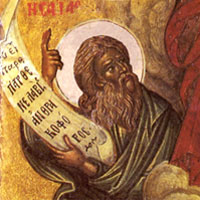
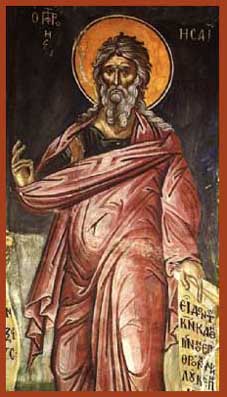
Andrei Rublev's Last Judgment: Isaiah
Andrei Rublev’s Last Judgment: Isaiah

This week in Greek Isaiah in a Year covers Isaiah 10:5-29.

Here is the schedule and text for Monday through Friday, using again the text from R.R. Ottley’s Book of Isaiah According to the Septuagint. (As always, Ottley is here on Amazon, here in Logos, and here as a free, downloadable pdf in the public domain.) The full reading plan for our group is here (pdf).

Monday, January 28Isa 10:5-9

5 Οὐαὶ Ἀσσυρίοις, ἡ ῥάβδος τοῦ θυμοῦ μου καὶ ὀργῆς ἐν ταῖς χερσὶν αὐτῶν. 6 τὴν ὀργήν μου εἰς ἔθνος ἄνομον ἀποστέλλω, καὶ τῷ ἐμῷ λαῷ συντάξω τοῦ ποιῆσαι σκῦλα καὶ προνομήν, καὶ καταπατεῖν τὰς πόλεις καὶ θεῖναι αὐτὰς εἰς κονιορτόν. 7 αὐτὸς δὲ οὐχ οὕτως ἐνεθυμήθη, καὶ τῇ ψυχῇ οὐχ οὕτως λελόγισται· ἀλλὰ ἀπαλλάξει ὁ νοῦς αὐτοῦ, καὶ τοῦ ἐξολεθρεῦσαι ἔθνη οὐκ ὀλίγα. 8 καὶ ἐὰν εἴπωσιν αὐτῷ Σὺ μόνος εἶ ἄρχων, 9 καὶ ἐρεῖ Οὐκ ἔλαβον τὴν χώραν τὴν ἐπάνω Βαβυλῶνος καὶ Χαλαννή, οὗ ὁ πύργος ᾠκοδομήθη; καὶ ἔλαβον Ἀραβείαν καὶ Δαμασκὸν καὶ Σαμάρειαν·

Tuesday, January 29: Isa 10:10-14

10 ὃν τρόπον ταύτας ἔλαβον ἐν τῇ χειρί μου, καὶ πάσας τὰς χώρας λήμψομαι. ὀλολύξατε, τὰ γλυπτὰ ἐν Ἰερουσαλὴμ καὶ ἐν Σαμαρείᾳ· 11 ὃν τρόπον γὰρ ἐποίησα Σαμαρείᾳ καὶ τοῖς χειροποιήτοις <αὐτῆς,> οὕτως ποιήσω καὶ Ἰερουσαλὴμ καὶ τοῖς εἰδώλοις αὐτῆς. 12 Καὶ ἔσται ὅταν συντελέσῃ Κύριος πάντα ποιῶν ἐν τῷ ὄρει Σιὼν καὶ ἐν Ἰερουσαλήμ, ἐπάξει ἐπὶ τὸν νοῦν τὸν μέγαν, τὸν ἄρχοντα τῶν Ἀσσυρίων, καὶ ἐπὶ τὸ ὕψος τῆς δόξης τῶν ὀφθαλμῶν αὐτοῦ. 13 εἶπεν γὰρ Τῇ ἰσχύι ποιήσω, καὶ <τῇ σοφίᾳ τῆς συνέσεως> ἀφελῶ ὅρια ἐθνῶν, καὶ τὴν ἰσχὺν αὐτῶν προνομεύσω· 14 καὶ σείσω πόλεις κατοικουμένας, καὶ τὴν οἰκουμένην ὅλην καταλήμψομαι τῇ χειρί μου ὡς νοσσιάν, καὶ ὡς καταλελιμμένα ὠὰ ἀρῶ· καὶ οὐκ ἔστιν ὃς διαφεύξεταί με ἢ ἀντείπῃ μοι.

Wednesday, January 30: Isa 10:15-19

15 Μὴ δοξασθήσεται ἀξίνη ἄνευ τοῦ κόπτοντος ἐν αὐτῇ; ἢ ὑψωθήσεται πρίων ἄνευ τοῦ ἕλκοντος αὐτόν; ὡσαύτως ἐάν τις ἄρῃ ῥάβδον ἢ ξύλον, καὶ οὐχ οὕτως; 16 ἀλλὰ ἀποστελεῖ Κύριος σαβαὼθ εἰς τὴν σὴν τιμὴν ἀτιμίαν, καὶ εἰς τὴν σὴν δόξαν πῦρ καιόμενον καυθήσεται· 17 καὶ ἔσται τὸ φῶς τοῦ Ἰσραὴλ ὡς πῦρ, καὶ ἁγιάσει αὐτὸ ἐν πυρὶ καιομένῳ, καὶ φάγεται ὡσεὶ χόρτον τὴν ὕλην. 18 τῇ ἡμέρᾳ ἐκείνῃ ἀποσβεσθήσεται τὰ ὄρη καὶ οἱ δρυμοὶ καὶ οἱ βουνοί, καὶ καταφάγεται ἀπὸ ψυχῆς ἕως σαρκῶν· καὶ ἔσται ὁ φεύγων ὡς ὁ φεύγων ἀπὸ φλογὸς καιομένης· 19 καὶ οἱ καταλειφθέντες ἀπʼ αὐτῶν ἔσονται ἀριθμός, καὶ παιδίον γράψει αὐτούς.

Thursday, January 31: Isa 10:20-24

20 Καὶ ἔσται ἐν τῇ ἡμέρᾳ ἐκείνῃ οὐκέτι προστεθήσεται τὸ καταλειφθὲν Ἰσραήλ, καὶ οἱ σωθέντες τοῦ Ἰακὼβ οὐκέτι μὴ πεποιθότες ὦσιν ἐπὶ τοὺς ἀδικήσαντας αὐτούς, ἀλλʼ ἔσονται πεποιθότες ἐπὶ τὸν θεὸν τὸν ἅγιον τοῦ Ἰσραὴλ τῇ ἀληθείᾳ. 21 καὶ ἔσται τὸ καταλειφθὲν τοῦ Ἰακὼβ ἐπὶ θεὸν ἰσχύοντα. 22 καὶ ἐὰν γένηται ὁ λαὸς Ἰσραὴλ ὡς ἡ ἄμμος τῆς θαλάσσης, τὸ κατάλειμμα σωθήσεται· λόγον γὰρ συντελῶν καὶ συντέμνων ἐν δικαιοσύνῃ, 23 ὅτι λόγον συντετμημένον ποιήσει ὁ θεὸς ἐν τῇ οἰκουμένῃ ὅλῃ. 24 Διὰ τοῦτο τάδε λέγει Κύριος ὁ θεὸς σαβαώθ Μὴ φοβοῦ, ὁ λαός μου, οἱ κατοικοῦντες ἐν Σιών, ἀπὸ Ἀσσυρίων, ὅτι ἐν ῥάβδῳ πατάξει σε· πληγὴν γὰρ ἐπάγω ἐπὶ σέ, τοῦ ἰδεῖν ὁδὸν Αἰγύπτου.

Friday, February 1: Isa 10:25-29

25 ἔτι γὰρ μικρὸν καὶ παύσεται ἡ ὀργή, ὁ δὲ θυμός μου ἐπὶ τὴν βουλὴν αὐτῶν· 26 καὶ ἐπεγερεῖ ὁ θεὸς ἐπʼ αὐτοὺς κατὰ τὴν πληγὴν τὴν Μαδιὰμ ἐν τόπῳ θλίψεως, καὶ ὁ θυμὸς αὐτοῦ τῇ ὁδῷ τῇ κατὰ θάλασσαν, εἰς τὴν ὁδὸν τὴν κατʼ Αἴγυπτον. 27 καὶ ἔσται ἐν τῇ ἡμέρᾳ ἐκείνῃ ἀφαιρεθήσεται ὁ φόβος αὐτοῦ ἀπὸ σοῦ, καὶ ὁ ζυγὸς αὐτοῦ ἀπὸ τοῦ ὤμου σου, καὶ καταφθαρήσεται ὁ ζυγὸς ἀπὸ τῶν ὤμων ὑμῶν. 28 ἥξει γὰρ εἰς τὴν πόλιν Ἀγγαί, 29 καὶ παρελεύσεται εἰς Μαγεδδώ, καὶ ἐν Μαχμὰς θήσει τὰ σκεύη αὐτοῦ· καὶ παρελεύσεται φάραγγα καὶ ἥξει εἰς Ἀγγαί, φόβος λήμψεται Ῥαμὰ πόλιν Σαούλ. φεύξεται ….

See here for more resources and links to texts for Greek Isaiah. Here are previous weeks’ readings: Week 1 / Week 2 / Week 3 / Week 4 / Week 5 / Week 6 / Week 7 / Week 8

And here are the Week 9 readings above, but in pdf form.

Jesus Makes a Pun in the Synagogue

Jesus Reads in Synagogue
Jesus makes a pun in Luke 4. I’m not the first one to notice this, but it stood out to me as I read my way through Luke 4:14-21 this past week. I’m preaching on the passage at my church tomorrow.

Jesus enters the synagogue at his hometown of Nazareth in Galilee and opens the Isaiah scroll to Isaiah 61. In the NIV, the Luke passage reads as follows:

The scroll of the prophet Isaiah was handed to him. Unrolling it, he found the place where it is written:

The Spirit of the Lord is on me,
because he has anointed me
to preach good news to the poor.
He has sent me to proclaim freedom for the prisoners
and recovery of sight for the blind,
to release the oppressed, to proclaim the year of the Lord’s favor.

But a few verses later (v. 24) Jesus tells the people, “No prophet is accepted in his hometown.” (They tried then to throw him off a cliff.)

The play on words Jesus uses is not readily evident in most translations, but Jesus uses the same word for favor (“year of the Lord’s favor“) as he does for accepted (“no prophet is accepted“). It’s a rare enough Greek word Luke uses, that I can only conclude it’s deliberate–this is the only passage in all the Gospels to use this word. (For Hellenophiles who read this blog, the word is δεκτός.)

The translations aren’t necessarily wrong to obscure the fact that it’s the same word in each verse. After all, context determines meaning, so even this same word carries different nuances the two times it’s used.

But the irony is that in this year of the Lord’s favor, which Jesus notes later in the passage begins “today,” even his hometown will not accept him. There is no acceptance (δεκτός) of this favor (δεκτός).

And before we rush to point backwards at the hard-heartedness of 1st century Nazareth, perhaps we easily enough realize those ways in which we fail to accept the favor that God would lavish on us. May Jesus give us sight where we do not see all that he comes to offer us.

3 More Romans Monographs to Check Out

Abraham by Wordle 2

To add to the three books I mentioned in yesterday’s post, here are three more books about Romans I’ve enjoyed using the last couple months, with sample quotes.

Benjamin Schließer, Abraham’s Faith in Romans 4: Paul’s Concept of Faith in Light of the History of Reception of Genesis 15:6. (Tübingen: Mohr Siebeck, 2007.)

The foregoing overview of the interpretation of Gen 15:6 in Jewish theology has yielded a wide array of results and by no means a straightforward line of development in the way how the authors conceived of Abraham’s faith and God’s judgment on it.

Krister Stendahl, Final Account: Paul’s Letter to the Romans. (Minneapolis: Fortress, 1995.) (I reviewed Stendhal here.)

Consequently, Romans is central to our understanding of Paul, not because of its doctrine of justification, but because the doctrine of justification is here in its original and authentic setting: as an argument for the status of Paul’s Gentile converts on the model of Abraham (Romans 4).

Gerhard H. Visscher, Romans 4 and the New Perspective on Paul: Faith Embraces the Promise. (New York: Peter Lang, 2009.) Here is Visscher’s outline of Romans 4:

Rom. 4:3-8: Paul’s First Argument from Genesis 15:6
Rom. 4:9-12: Second Argument from Genesis 15:6: Faith, Circumcision, and Gentiles
Rom. 4:13-22: Third Argument from Genesis 15:6
Rom. 4:23-25: Fourth Argument from Genesis 15:6: “For us also…”

3 Great Off-the-Beaten Path Books about Romans

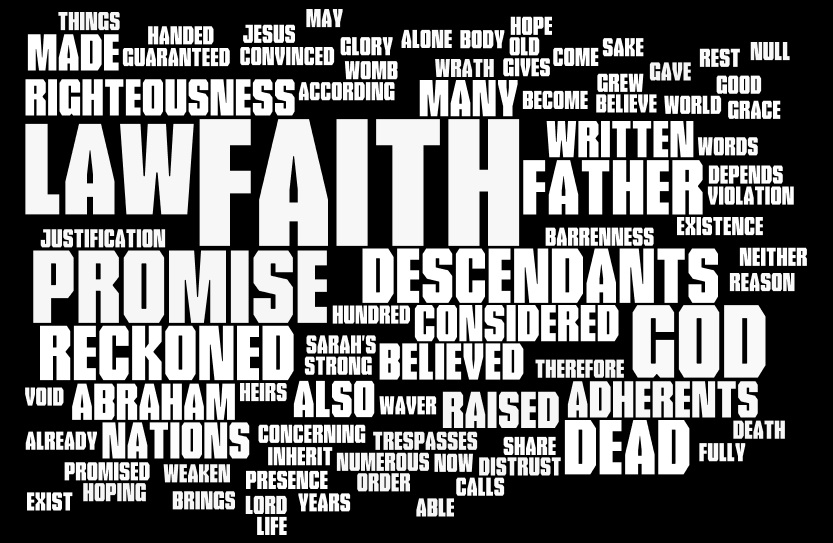
Abraham by WordleOver the past couple of months I’ve spent a good deal of time in Romans 4. The more I study Paul’s magnum opus, the more amazed I am by all that he packed in and the way he did it.

In my reading and writing on Romans, I’ve come across some great monographs. Here are three, with a sample quote from each. I’ll do three more tomorrow.

Pablo T. Gadenz, Called from the Jews and from the Gentiles: Pauline Ecclesiology in Romans 9-11. (Tübingen: Mohr Siebeck, 2009.)

In sum, Christians in the Church, stemming from Jewish and Gentile origins, can rejoice together in the salvation available by faith in Christ to all without distinction. “Rejoice, O nations, with his people!” (Rom 15:10). With humility, they can marvel at God’s plan for Israel, of which the Gentile-Christians in particular are beneficiaries. “O the depth of the riches and wisdom and knowledge of God! How inscrutable are his judgments and how unsearchable his ways!” (Rom 11:33) (p. 328)

Israel Kamudzandu, ‪Abraham As Spiritual Ancestor: ‪A Postcolonial Zimbabwean Reading of Romans 4. (Leiden: Brill, 2010.)

In Romans 4, Paul elevates Abraham as an ancestor of a new Israel, which includes Jews and Gentiles. …In this new situation, Paul gives a new meaning to the Torah as an integrator of all nations of the world. (p. 98)

Philip Francis EslerConflict and Identity in Romans(Minneapolis: Fortress, 2009.) I love this assessment. Before reading Esler, this is just how I had begun to understood Paul’s use of Abraham in Romans 4. Though he expresses it more eloquently than I could:

Above all, [the account of Abraham in Romans 4] carries forward Paul’s aim of recategorizing Judean and non-Judean Christ-followers in Rome into the new ingroup identity and does so by mobilizing collective memories to explain how both subgroups claim ancestry from Abraham in the same way—righteousness credited to them through faith. Abraham thus becomes the prototype of the new identity, portrayed by Paul in a manner peculiar to the needs of this communication and in the face of many rival construals of this patriarch that were possible in the ongoing processing of the past to serve the needs of the present. (p. 194)

Three more recommendations tomorrow.

Greek Isaiah in a Year, Week 8=Isaiah 9:1-10:4

Isaiah prophetGreek Isaiah in a Year rolls on!

In this last week (week 7) we covered chapter 8. Note that 8:23 in the reading plan is actually 9:1 in the Göttingen and Ottley editions, but marked as 8:23 in the Hebrew Masoretic text, as well as Rahlfs. Note Ken Penner’s versification comparison chart here.

Here is the schedule and text for Monday through Friday, using again the text from R.R. Ottley’s Book of Isaiah According to the Septuagint. (As always, Ottley is here on Amazon, here in Logos, and here as a free, downloadable pdf in the public domain.) The full reading plan for our group is here (pdf).

Monday, January 21Isa 9:1 MT=9:2 LXX – Isa 9:6 MT=9:7 LXX

ὁ λαὸς ὁ καθήμενος ἐν σκότει, ἴδετε φῶς μέγα· οἱ κατοικοῦντες ἐν χώρᾳ καὶ σκιᾷ θανάτου, φῶς λάμψει ἐφʼ ὑμᾶς. τὸ πλεῖστον τοῦ λαοῦ ὃ κατήγαγες ἐν εὐφροσύνῃ σου, καὶ εὐφρανθήσονται ἐνώπιόν σου ὡς οἱ εὐφραινόμενοι ἐν ἀμήτῳ, καὶ ὃν τρόπον εὐφραίνονται οἱ διαιρούμενοι σκῦλα. διότι ἀφαιρεθήσεται ὁ ζυγὸς ὁ ἐπʼ αὐτῶν κείμενος, καὶ ἡ ῥάβδος ἡ ἐπὶ τοῦ τραχήλου αὐτῶν· τὴν γὰρ ῥάβδον τῶν ἀπαιτούντων διεσκέδασεν Κύριος, ὡς τῇ ἡμέρᾳ τῇ ἐπὶ Μαδιάμ. ὅτι πᾶσαν στολὴν ἐπισυνηγμένην δόλῳ καὶ ἱμάτιον μετὰ καταλλαγῆς ἀποτίσουσιν, καὶ θελήσουσιν εἰ ἐγενήθησαν πυρίκαυστοι. ὅτι παιδίον ἐγενήθη ἡμῖν, υἱὸς καὶ ἐδόθη <ἡμῖν>, οὗ ἡ ἀρχὴ ἐγενήθη ἐπὶ τοῦ ὤμου αὐτοῦ, καὶ καλέσει τὸ ὄνομα αὐτοῦ Μεγάλης βουλῆς ἄγγελος, θαυμαστὸς σύμβουλος, ἰσχυρός, ἐξουσιαστής, ἄρχων εἰρήνης, πατὴρ τοῦ μέλλοντος αἰῶνος· ἐγὼ γὰρ ἄξω εἰρήνην ἐπὶ τοὺς ἄρχοντας, εἰρήνην καὶ ὑγίαν αὐτῷ. Μεγάλη ἡ ἀρχὴ αὐτοῦ, καὶ τῆς εἰρήνης αὐτοῦ οὐκ ἔστιν ὅριον, ἐπὶ τὸν θρόνον Δαυεὶδ καὶ τὴν βασιλείαν αὐτοῦ, κατορθῶσαι αὐτὴν καὶ ἀντιλαβέσθαι αὐτῆς ἐν δικαιοσύνῃ καὶ ἐν κρίματι, ἀπὸ τοῦ νῦν καὶ εἰς τὸν αἰῶνα χρόνον· ὁ ζῆλος Κυρίου σαβαὼθ ποιήσει ταῦτα.

Tuesday, January 22: Isa 9:7-10 (=9:8-11)

Θάνατον ἀπέστειλεν Κύριος ἐπὶ Ἰακώβ, καὶ ἦλθεν ἐπὶ Ἰσραήλ. καὶ γνώσονται πᾶς ὁ λαὸς τοῦ Ἐφράιμ, καὶ οἱ ἐγκαθήμενοι ἐν Σαμαρείᾳ ἐφʼ ὕβρει καὶ ὑψηλῇ καρδίᾳ, λέγοντες 10 Πλίνθοι πεπτώκασιν, ἀλλὰ δεῦτε λαξεύσωμεν λίθους, καὶ ἐκκόψωμεν συκαμίνους καὶ κέδρους, καὶ οἰκοδομήσωμεν ἑαυτοῖς πύργον. 11 καὶ ῥάξει ὁ θεὸς τοὺς ἐπανιστανομένους ἐπʼ ὄρους Σιὼν ἐπʼ αὐτούς, καὶ τοὺς ἐχθροὺς αὐτῶν διασκεδάσει,

Wednesday, January 23: Isa 9:11-15 (=9:12-16)

12 Συρίαν ἀφʼ ἡλίου ἀνατολῶν καὶ τοὺς Ἕλληνας ἀφʼ ἡλίου δυσμῶν, τοὺς κατεσθίοντας τὸν Ἰσραὴλ ὅλῳ τῷ στόματι. ἐπὶ τούτοις πᾶσιν οὐκ ἀπεστράφη ὁ θυμός, ἀλλʼ ἔτι ἡ χεὶρ ὑψηλή. 13 καὶ ὁ λαὸς οὐκ ἀπεστράφη ἕως ἐπλήγη, καὶ τὸν κύριον οὐκ ἐξεζήτησαν. 14 Καὶ ἀφεῖλεν Κύριος ἀπὸ Ἰσραὴλ κεφαλὴν καὶ οὐράν, μέγαν καὶ μικρὸν ἐν μίᾳ ἡμέρᾳ, πρεσβύτην καὶ τοὺς τὰ πρόσωπα θαυμάζοντας, αὕτη ἡ ἀρχή, 15 καὶ προφήτην διδάσκοντα ἄνομα, οὗτος ἡ οὐρά. 16 καὶ ἔσονται οἱ μακαρίζοντες τὸν λαὸν τοῦτον πλανῶντες, καὶ πλανῶσιν ὅπως καταπίωσιν αὐτούς.

Thursday, January 24: Isa 9:16–20 (=9:17-21)

17 διὰ τοῦτο ἐπὶ τοὺς νεανίσκους οὐκ εὐφρανθήσεται ὁ θεός, καὶ τοὺς ὀρφανοὺς αὐτῶν καὶ τὰς χήρας αὐτῶν οὐκ ἐλεήσει· ὅτι πάντες ἄνομοι καὶ πονηροί, καὶ πᾶν στόμα λαλεῖ ἄδικα. ἐπὶ πᾶσι τούτοις οὐκ ἀπεστράφη ὁ θυμός, ἀλλʼ ἔτι ἡ χεὶρ ὑψηλή. 18 Καὶ καυθήσεται ὡς πῦρ ἡ ἀνομία, καὶ ὡς ἄγρωστις ξηρὰ βρωθήσεται ὑπὸ πυρός· καὶ καυθήσεται ἐν τοῖς δάσεσιν τοῦ δρυμοῦ, καὶ συγκαταφάγεται τὰ κύκλῳ τῶν βουνῶν πάντα· 19 διὰ θυμὸν ὀργῆς Κυρίου συγκαυθήσεται ἡ γῆ ὅλη, καὶ ἔσται ὁ λαὸς ὡς ὑπὸ πυρὸς κατακεκαυμένος. ἄνθρωπος τὸν ἀδελφὸν αὐτοῦ οὐκ ἐλεήσει, 20 ἀλλὰ ἐκκλινεῖ εἰς τὰ δεξιά, ὅτι πεινάσει, καὶ φάγεται ἐκ τῶν ἀριστερῶν, καὶ οὐ μὴ ἐμπλησθῇ, ἄνθρωπος ἔσθων τὰς σάρκας τοῦ βραχίονος [τοῦ ἀδελφοῦ] αὐτοῦ. 21 φάγεται γὰρ Μαννασσὴ τοῦ Ἐφράιμ, καὶ Ἐφράιμ τοῦ Μαννασσή, ὅτι ἅμα πολιορκήσουσιν τὸν Ἰούδαν. ἐπὶ τούτοις πᾶσιν οὐκ ἀπεστράφη ὁ θυμός, ἀλλʼ ἔτι ἡ χεὶρ ὑψηλή.

Friday, January 25: Isa 10:1-4

10 Οὐαὶ τοῖς γράφουσιν πονηρίαν· γράφοντες γὰρ πονηρίαν γράφουσιν, ἐκκλίνοντες κρίσιν πτωχῶν, καὶ ἁρπάζοντες κρίμα πενήτων τοῦ λαοῦ μου, ὥστε εἶναι αὐτοῖς χήραν εἰς ἁρπαγήν, καὶ ὀρφανὸν εἰς προνομήν. καὶ τί ποιήσουσιν ἐν τῇ ἡμέρᾳ ἐπισκοπῆς; ἡ γὰρ θλίψις ὑμῖν πόρρωθεν ἥξει· καὶ πρὸς τίνα καταφεύξεσθε τοῦ βοηθηθῆναι; καὶ ποῦ καταλείψετε τὴν δόξαν ὑμῶν, τοῦ μὴ ἐμπεσεῖν εἰς ἐπαγωγήν; καὶ ὑποκάτω ἀνῃρημένων πεσοῦνται. ἐπὶ τούτοις πᾶσιν οὐκ ἀπεστράφη ὁ θυμός, ἀλλʼ ἔτι ἡ χεὶρ ὑψηλή.

See here for more resources and links to texts for Greek Isaiah. Here are previous weeks’ readings: Week 1 / Week 2 / Week 3 / Week 4 / Week 5 / Week 6 / Week 7

And here are the Week 8 readings above, but in pdf form.

Apocalyptic Dialogue with my 5-Year-Old Son

flaming plane

It went like this:

Me: These Duplos have eyes all over them. It’s like a creature from Revelation.

He: What’s Revelation?

Me: It’s a book in the Bible. There are all sorts of creatures in it. Dragons, too. It will be a great book for you to read sometime, maybe when you are older.

He: Why?

Me: It’s a little bit scary.

He: Is there a movie?

Well, yes, son, there is a movie. Quite a lot of them, in fact. But we’ll start with the book first.

He’s started on chapter books with us, though, so we’ve been able to begin tackling some fun stories, like this. Revelation, perhaps, later.

Greek Isaiah in a Year, Week 7=Isaiah 8

Detail from The Nativity with the Prophets Isaiah and Ezekiel, by Duccio di Buoninsegna

Last week in Greek Isaiah in a Year saw a lively discussion around Isaiah 7:14.

This week our reading includes Isaiah 8:14, which Paul and Peter cite together with Isaiah 28:16. About this passage Jobes and Silva write:

Both Paul and Peter–perhaps reflecting an early Christian tradition–link two passages in Isaiah, namely, 8:14 with 28:16, presumably because the word λίθος occurs in those two passages (see Romans 9:33 and 1 Peter 2:6-7). But there is more. LXX Isaiah 8:14 begins with the clause καὶ ἐὰν ἐπʼ αὐτῷ πεποιθὼς ᾖς (“and if you put your confidence in him”), for which no corresponding text is found in the Hebrew. The translator evidently took his cue from the last clause of verse 17 (καὶ πεποιθὼς ἔσομαι ἐπʼ αὐτῷ=וקויתי־לו) and used it to give a surprising interpretation of verse 14. In addition, he provided a closer link between 8:14 and 28:16 by adding the words ἐπʼ αὐτῷ to the latter passage. It is clear that the Greek translator’s own reflection on the message of Isaiah had a signficant impact on early Christian theology.

Last week, week 6, we read chapter 7 start to finish. In this week 7 we do the same with chapter 8. Friday is an anomaly in the reading plan–just one verse that day. Note, too, that 8:23 is actually 9:1 in the Göttingen and Ottley editions, but marked as 8:23 in the Hebrew Masoretic text, as well as Rahlfs.

Here is the schedule and text for Monday through Friday, using again the text from R.R. Ottley’s Book of Isaiah According to the Septuagint. (As always, Ottley is here on Amazon, here in Logos, and here as a free, downloadable pdf in the public domain.) The full reading plan for our group is here (pdf).

Monday, January 14: Isa 8:1–5

8 Καὶ εἶπεν Κύριος πρὸς μέ Λάβε σεαυτῷ τόμον χάρτου καινοῦ μεγάλου, καὶ γράψον εἰς αὐτὸν γραφίδι ἀνθρώπου τοῦ ὀξέως προνομὴν ποιῆσαι σκύλων· πάρεστιν γάρ· καὶ μάρτυράς μοι ποίησον πιστοὺς ἀνθρώπους, τὸν Οὐρίαν καὶ τὸν Ζαχαρίαν υἱὸν Βαραχίου. καὶ προσῆλθεν πρὸς τὴν προφῆτιν, καὶ ἐν γαστρὶ ἔλαβεν καὶ ἔτεκεν υἱόν. καὶ εἶπεν Κύριός μοι Κάλεσον τὸ ὄνομα αὐτοῦ Ταχέως σκύλευσον, ὀξέως προνόμευσον. διότι πρὶν ἢ γνῶναι τὸ παιδίον καλεῖν πατέρα ἢ μητέρα, λήμψεται δύναμιν Δαμασκοῦ καὶ τὰ σκῦλα Σαμαρείας ἔναντι βασιλέως Ἀσσυρίων.

Καὶ προσέθετο Κύριος λαλῆσαί μοι ἔτι

Tuesday, January 15: Isa 8:6–10

Διὰ τὸ μὴ βούλεσθαι τὸν λαὸν τοῦτον τὸ ὕδωρ τοῦ Σιλωὰμ τὸ πορευόμενον ἡσυχῇ, ἀλλὰ βούλεσθαι ἔχειν τὸν Ῥαασσὼν καὶ τὸν υἱὸν Ῥομελίου βασιλέα ἐφʼ ὑμῶν, διὰ τοῦτο ἰδοὺ ἀνάγει Κύριος ἐφʼ ὑμᾶς τὸ ὕδωρ τοῦ ποταμοῦ τὸ ἰσχυρὸν καὶ τὸ πολύ, τὸν βασιλέα τῶν Ἀσσυρίων καὶ τὴν δόξαν αὐτοῦ· καὶ ἀναβήσεται ἐπὶ πᾶσαν φάραγγα ὑμῶν, καὶ περιπατήσει ἐπὶ πᾶν τεῖχος ὑμῶν, καὶ ἀφελεῖ ἀπὸ τῆς Ἰουδαίας ἄνθρωπον ὃς δυνήσεται κεφαλὴν ἆραι εἰ δυνατὸν συντελέσαι τι· καὶ ἔσται ἡ παρεμβολὴ αὐτοῦ τὰ πλάτη τῆς χώρας σου. μεθʼ ἡμῶν ὁ θεός. γνῶτε ἔθνη καὶ ἡττᾶσθε, ἐπακούσετε ἕως ἐσχάτου τῆς γῆς, ἰσχυκότες ἡττᾶσθε· ἐὰν γὰρ πάλιν ἰσχύσητε, πάλιν ἡττηθήσεσθε. 10 καὶ ἣν ἂν βουλεύσησθε βουλὴν διασκεδάσει Κύριος, καὶ τὸν λόγον ὃν ἐὰν λαλήσητε οὐ μὴ ἐμμείνῃ ὑμῖν, ὅτι μεθʼ ἡμῶν Κύριος ὁ θεός.

Wednesday, January 16: Isa 8:11–16

11 οὕτως λέγει Κύριος ὁ θεός Τῇ ἰσχυρᾷ χειρὶ ἀπειθοῦσιν τῇ πορείᾳ τῆς ὁδοῦ τοῦ λαοῦ τούτου, λέγοντες 12 Μή ποτε εἴπητε σκληρόν· πᾶν γὰρ ὃ ἂν εἴπῃ ὁ λαὸς οὗτος σκληρόν ἐστιν· τὸν δὲ φόβον αὐτοῦ οὐ μὴ φοβηθῆτε οὐδʼ οὐ μὴ ταραχθῆτε· 13 Κύριον αὐτὸν ἁγιάσατε, καὶ αὐτὸς ἔσται σου φόβος. 14 καὶ ἐὰν ἐπʼ αὐτῷ πεποιθὼς ᾖς, ἔσται σοι εἰς ἁγίασμα, καὶ οὐχ ὡς λίθου προσκόμματι συναντήσεσθε αὐτῷ, οὐδὲ ὡς πέτρας πτώματι. ὁ δὲ οἶκος Ἰακὼβ ἐν παγίδι, καὶ ἐν κοιλάσματι ἐγκαθήμενοι ἐν Ἰερουσαλήμ· 15 διὰ τοῦτο ἀδυνατήσουσιν ἐν αὐτοῖς πολλοί, καὶ πεσοῦνται καὶ συντριβήσονται, καὶ ἐγγιοῦσιν καὶ ἁλώσονται ἄνθρωποι ἐν ἀσφαλείᾳ ὄντες. 16 Τότε φανεροὶ ἔσονται οἱ σφραγιζόμενοι τὸν νόμον τοῦ μαθεῖν.

Thursday, January 17: Isa  8:17–22

17 καὶ ἐρεῖ Μενῶ τὸν θεὸν τὸν ἀποστρέψαντα τὸ πρόσωπον αὐτοῦ ἀπὸ τοῦ οἴκου Ἰακώβ, καὶ πεποιθὼς ἔσομαι ἐπʼ αὐτῷ. 18 ἰδοὺ ἐγὼ καὶ τὰ παιδία ἅ μοι ἔδωκεν ὁ θεός. καὶ ἔσται εἰς σημεῖα καὶ τέρατα ἐν τῷ Ἰσραὴλ παρὰ Κυρίου σαβαώθ, ὃς κατοικεῖ ἐν τῷ ὄρει Σιών. 19 καὶ ἐὰν εἴπωσιν πρὸς ὑμᾶς Ζητήσατε τοὺς ἀπὸ τῆς κοιλίας φωνοῦντας καὶ τοὺς ἐγγαστριμύθους, τοὺς κενολογοῦντας οἳ ἀπὸ τῆς κοιλίας φωνοῦσιν, οὐκ ἔθνος πρὸς θεὸν αὐτοῦ; τί ἐκζητῶσιν περὶ τῶν ζώντων τοὺς νεκρούς; 20 νόμον γὰρ εἰς βοήθειαν ἔδωκεν, ἵνα εἴπωσιν οὐχ ὡς τὸ ῥῆμα τοῦτο, περὶ οὗ οὐκ ἔστιν δῶρα δοῦναι περὶ αὐτοῦ. 21 καὶ ἥξει ἐφʼ ὑμᾶς σκληρὰ λιμός, καὶ ἔσται ὡς ἂν πεινάσητε, λυπηθήσεσθε καὶ κακῶς ἐρεῖτε τὸν ἄρχοντα καὶ τὰ πάτρια, καὶ ἀναβλέψονται εἰς τὸν οὐρανὸν ἄνω, 22 καὶ εἰς τὴν γῆν κάτω ἐμβλέψονται· καὶ ἰδοὺ θλῖψις καὶ στενοχωρία καὶ σκότος, ἀπορία στενὴ καὶ σκότος ὥστε μὴ βλέπειν, καὶ οὐκ ἀπορηθήσεται ὁ ἐν στενοχωρίᾳ ἕως καιροῦ.

Friday, January 18: Isa 8:23 MT=9:1 LXX

9 (23) 1 Τοῦτο πρῶτον ποίει, ταχὺ ποίει, χώρα Ζαβουλων, ἡ γῆ Νεφθαλιμ ὁδὸν θαλάσσης καὶ οἱ λοιποὶ οἱ τὴν παραλίαν κατοικοῦντες καὶ πέραν τοῦ Ιορδάνου, Γαλιλαία τῶν ἐθνῶν, τὰ μέρη τῆς Ιουδαίας.

See here for more resources and links to texts for Greek Isaiah. Here are previous weeks’ readings: Week 1 / Week 2 / Week 3 / Week 4 / Week 5 / Week 6

And here are the Week 7 readings above, but in pdf form.
How to Read and Understand the Göttingen Septuagint: A Short Primer, part 2 (Apparatus)

The one who is serious about getting at the earliest attainable text of the Hebrew Bible will eventually find herself or himself face-to-face with a page like this:

Genesis 1 in Göttingen LXX
Genesis 1 in the Göttingen Septuagint

The Göttingen Septuagint is the largest scholarly edition of the Greek translation of the Hebrew Bible. Its full title is Septuaginta: Vetus Testamentum Graecum Auctoritate Academiae Scientiarum Gottingensis editum. Vandenhoeck & Ruprecht in Göttingen, 

Septuaginta.band 1

Germany publishes the series, which includes more than 20 volumes covering some 40 biblical books (counting the minor prophets as 12). Various editors are working toward the publication of additional volumes.

But if good coffee, fine wine, or well-aged cheese requires work on the part of the one taking it in, the Göttingen LXX makes its own demands of the reader who would use it. The critical apparatuses on each page have Greek, abbreviated Greek, abbreviated Latin, and other potentially unfamiliar sigla. The introductions in each volume are in German.

How to read and understand the Göttingen Septuagint, then? To begin, here is the sample page from above:

Genesis 1 in Göttingen LXX_key
Genesis 1:4-9, reprinted with publisher’s permission

There are four main parts to the page, marked in the image above by the numbers 1 through 4.

  1. The reconstructed Greek critical text (“Der kritische Text”)
  2. The Source List (“Kopfleiste”) (note: not every Göttingen volume has this)
  3. The First Critical Apparatus (“Apparat I”)
  4. The Second Critical Apparatus (“Apparat II”)

In part 1 of my primer, I covered numbers 1 and 2 above. To summarize a bit:

1. With verse references in both the margin and in the body of the text, the top portion of each page of the Göttingen Septuagint is the editorially reconstructed text of each biblical book.

2. The Kopfleiste comes just below the text and above the apparatuses. Wevers notes it as a list of all manuscripts and versions used, listed in the order that they appear in the apparatus on that page. A fragmentary textual witness is enclosed in parenthesis.

Next are the two critical apparatuses. In his introduction to Genesis (conveniently translated into English here, from which I quote), editor John William Wevers speaks of the critically reconstructed text as an “approximation of the original” and “hopefully the best which could be reconstructed.” I previously noted:

[Göttingen] editors have viewed and listed the readings of many manuscripts and versions. The critical apparatuses are where they list those readings, so the user of Göttingen can see other readings as they compare with the critically reconstructed text. (Because the Göttingen editions are critical/eclectic texts, no single manuscript will match the text of the Göttingen Septuagint.)

The International Organization for Septuagint and Cognate Studies (IOSCS) notes (from here):

The Göttingen Septuagint features two apparatuses (as does the Larger Cambridge Septuagint), the first for LXX/OG textual evidence proper and the second for so-called hexaplaric evidence, i.e. “rival” translations/revisions of the translated LXX/OG (such as circulated under the labels “Theodotion,” “Aquila,” and “Symmachus”), preserved largely through the influence of Origen’s Hexapla. For LXX/OG research the importance of both apparatuses is second only to the critical text itself.

The challenge, of course, is that to make sense of the apparatuses and their abbreviations.

3. The First Critical Apparatus (“Apparat I”)

The “textual evidence proper” consists of any readings that the editor deems as variant to the reconstructed text. The editors follow a consistent order in the witnesses they cite. (There is minor variation, volume to volume.) In Genesis Wevers writes:

The witnesses for a variant are always arranged in a set order: a) the uncial texts in alphabetic order; b) the papyri in numerical order; c) the witnesses of the O‘ mss [AKJ: the “hexaplaric group”]; d) the witnesses of the C‘’ mss [AKJ: the “Catena group”]; e) the remaining text families (comp Section B I above) in alphabetical order; f) the rest of the Greek evidence in the following order: N.T. witnesses, Ios [AKJ: Josephus], Phil [AKJ: Philo], followed by the rest of the Greek writers in alpha­betic order; g) La (or the sub-groups, for ex. LaI Las, etc.) [AKJ: Old Latin versions], followed by the other versions in alphabetic order; h) citations of the Latin Fathers, introduced by the sign Lat (these witnesses always stand in opposition to La or a sub-group of La); i) other witnesses or commentaries.

To look at an example of the first critical apparatus, Deuteronomy 6:5 in the Göttingen edition reads:

καὶ ἀγαπήσεις κύριον τὸν θεόν σου ἐξ ὅλης τῆς διανοίας σου καὶ ἐξ ὅλης τῆς ψυχῆς σου καὶ ἐξ ὅλης τῆς δυνάμεώς σου.

(And you shall love the Lord your God with all your mind and with all your soul and with all your strength.)

The apparatus for that verse, in part, has:

om καί  Arab Sa17 | αγαπησης 30; αγαπη σε 527 | κύριον τόν] bis scr 120* | om σου  Tht Dtap | ἐξ 1°—διανοίας] εν ολη τη καρδια Matth 22:37 |

With each unit broken up by line here, the apparatus gives this information about its manuscripts:

  • Arab and Sa17 omit (om) the first () use of καί
  • 30 has αγαπησης; 527 has αγαπη σε
  • 120* has κύριον τόν written (scr) twice (bis)
  • Tht Dtap omits (om) the first () use of σου
  • From the first use () of ἐξ through () the word διανοίας, Matthew 22:37 has rather (]) εν ολη τη καρδια

One has to go to the introduction for information about the manuscripts “Arab” (Arabic version), ” Sa17” (from the Sahidic version), “30” and “527” (minuscule manuscripts), “120*” (also a minuscule manuscript, where the asterisk * refers to “the original reading of a ms,” as opposed to a “correction”), and “Tht Dtap” (Tht=Theodoretus (“Cyrensis=Cyrrhensis”); Dt=his Quaestiones in Deuteronomium; ap refers, Wevers notes, “to readings (variants) in the apparatus of editions”).

Miles Van Pelt has produced a concise two-page summary of sigla and abbreviations. I offer appreciation and gratitude to Miles that I can link to that pdf here. That offers further instruction as to deciphering the apparatuses (both the first and second) in the Göttingen volumes. The introductions to given volumes contain the signs/symbols and abbreviations (“Zeichen und Abkürzungen”), as well.

Boromir had it right:

One Does Not Simply One Does not SimplyOne Does Not Simply

So I’ll write about the Second Critical Apparatus (“Apparat II”) in a future post. Until then….

Thanks to Brian Davidson of LXXI for his helpful suggestions on an earlier draft of this post and the part 1 that preceded it. He is not to be blamed for the inclusion of Boromir in this post.

Greek Isaiah in a Year, Week 6=Isaiah 7:1-25

isaiah

This week in Greek Isaiah in a Year we get to the famous and sometimes contested Isaiah 7:14. Here it is in Ottley’s Greek text, including his English translation:

διὰ τοῦτο δώσει Κύριος αὐτὸς ὑμῖν σημεῖον· ἰδοὺ ἡ παρθένος ἐν γαστρὶ ἕξει καὶ τέξεται υἱόν, καὶ καλέσεις τὸ ὄνομα αὐτοῦ Ἐμμανουήλ·

Therefore the Lord himself shall give you a sign; Behold, the virgin shall be with child, and shall bring forth a son, and thou shalt call his name Immanuel.

Last week I hosted the Biblical Studies Carnival for December 2012. Here’s an excerpt of posts I linked to from December about Isaiah 7:14. There were even more than what I highlighted:

December saw a plethora of posts about παρθένος/עלמה in Isaiah 7:14, and Matthew’s use of that verse. Here is T.M. Law, saying that Greek Isaiah’s use of παρθένος for עלמה is not without precedent in the LXX (“The Greek translator of Isaiah used a perfectly acceptable rendering for עלמה.”). Here’s the Jesus Creed on the virgin birth. Krista Dalton notes, “[T]he author of Matthew is not saying that Isaiah was envisioning the birth of Jesus.” Kevin Brown of Diglotting posts here about it. And, looking at hermeneutics more generally, Brian LePort suggested three paradigms to use in studying the virgin birth.

So for this Week 6 of Greek Isaiah in a Year, we cover one chapter in its entirety, chapter 7. I’m looking forward to what I’m sure will be lively discussion on Wednesday at our Facebook group. Below is the schedule and text for Monday through Friday, using again the text from R.R. Ottley’s Book of Isaiah According to the Septuagint. (As always, Ottley is here on Amazon, here in Logos, and here as a free, downloadable pdf in the public domain.) The full reading plan for our group is here (pdf).

Monday, January 7: Isa 7:1-4

7 Καὶ ἐγένετο ἐν ταῖς ἡμέραις Ἀχὰζ τοῦ Ἰωαθὰμ τοῦ υἱοῦ Ὀζίου βασιλέως Ἰούδα ἀνέβη Ῥαασσὼν βασιλεὺς Ἀρὰμ καὶ Φάκεε υἱὸς Ῥομελίου βασιλεὺς Ἰσραὴλ ἐπὶ Ἰερουσαλὴμ πολεμῆσαι αὐτήν, καὶ οὐκ ἠδυνήθησαν πολιορκῆσαι αὐτήν. καὶ ἀνηγγέλη εἰς τὸν οἶκον Δαυεὶδ λέγοντες Συνεφώνησεν Ἀρὰμ πρὸς τὸν Ἐφράιμ· καὶ ἐξέστη ἡ ψυχὴ αὐτοῦ καὶ ἡ ψυχὴ τοῦ λαοῦ αὐτοῦ, ὅταν ὃν τρόπον ἐν δρυμῷ ξύλον ὑπὸ πνεύματος σαλευθῇ. Καὶ εἶπεν Κύριος πρὸς Ἠσαίαν Ἔξελθε εἰς συνάντησιν Ἀχὰζ σὺ καὶ ὁ καταλειφθεὶς Ἰασσοὺβ ὁ <υἱός> σου πρὸς τὴν κολυμβήθραν τῆς ἄνω ὁδοῦ τοῦ ἀγροῦ τοῦ γναφέως. καὶ ἐρεῖς αὐτῷ Φύλαξαι τοῦ ἡσυχάσαι καὶ μὴ φοβοῦ, μηδὲ ἡ ψυχή σου ἀσθενείτω ἀπὸ τῶν δύο ξύλων τῶν δαλῶν τῶν καπνιζομένων τούτων· ὅταν γὰρ ὀργὴ τοῦ θυμοῦ μου γένηται, πάλιν ἰάσομαι.

Tuesday, January 8: Isa 7:5-9

καὶ ὁ υἱὸς τοῦ Ἀρὰμ καὶ ὁ υἱὸς τοῦ Ῥομελίου, ὅτι ἐβουλεύσαντο βουλὴν πονηρὰν περὶ σοῦ, λέγοντες Ἀναβησόμεθα εἰς τὴν Ἰουδαίαν, καὶ συλλαλήσαντες αὐτοῖς ἀποστρέψωμεν αὐτοὺς πρὸς ἡμᾶς, καὶ βασιλεύσομεν αὐτοῖς τὸν υἱὸν Ταβεήλ· τάδε λέγει Κύριος σαβαώθ Οὐ μὴ ἐμμείνῃ ἡ βουλὴ αὕτη οὐδὲ ἔσται. ἀλλʼ ἡ κεφαλὴ Ἀρὰμ Δαμασκός, καὶ ἡ κεφαλὴ Δαμασκοῦ Ῥασείν· ἀλλʼ ἔτι ἑξήκοντα καὶ πέντε ἐτῶν ἐκλείψει ἡ βασιλεία Ἐφράιμ ἀπὸ λαοῦ. καὶ ἡ κεφαλὴ Ἐφράιμ Σομορών, καὶ ἡ κεφαλὴ Σομορὼν υἱὸς τοῦ Ῥομελίου· καὶ ἐὰν μὴ πιστεύσητε, οὐδὲ μὴ συνῆτε.

Wednesday, January 9: Isa 7:10-14

10 Καὶ προσέθετο Κύριος λαλῆσαι τῷ Ἀχὰζ λέγων 11 Αἴτησαι σεαυτῷ σημεῖον παρὰ Κυρίου θεοῦ σου εἰς βάθος ἢ εἰς ὕψος. 12 καὶ εἶπεν Ἀχάζ Οὐ μὴ αἰτήσω, οὐδʼ οὐ μὴ πειράσω Κύριον. 13 καὶ εἶπεν Ἀκούσατε δή, οἶκος Δαυείδ· μὴ μικρὸν ὑμῖν ἀγῶνα παρέχειν ἀνθρώποις, καὶ πῶς Κυρίῳ παρέχετε ἀγῶνα; 14 διὰ τοῦτο δώσει Κύριος αὐτὸς ὑμῖν σημεῖον· ἰδοὺ ἡ παρθένος ἐν γαστρὶ ἕξει καὶ τέξεται υἱόν, καὶ καλέσεις τὸ ὄνομα αὐτοῦ Ἐμμανουήλ·

Thursday, January 10: Isa 7:15-19

15 βούτυρον καὶ μέλι φάγεται· πρὶν ἢ γνῶναι αὐτὸν προελέσθαι πονηρά, ἐκλέξεται τὸ ἀγαθόν· 16 διότι πρὶν ἢ γνῶναι τὸν παιδίον ἀγαθὸν ἢ κακόν, ἀπειθεῖ πονηρίᾳ τοῦ ἐκλέξασθαι τὸ ἀγαθόν, καὶ καταλειφθήσεται ἡ γῆ ἣν σὺ φοβῇ ἀπὸ προσώπου αὐτῶν. 17 ἀλλὰ ἐπάξει ὁ θεὸς ἐπὶ σὲ καὶ ἐπὶ τὸν λαόν σου καὶ ἐπὶ τὸν οἶκον τοῦ πατρός σου ἡμέρας αἳ οὔπω ἥκασιν ἀφʼ ἧς ἡμέρας ἀφεῖλεν Ἐφράιμ ἀπὸ Ἰούδα, τὸν βασιλέα τῶν Ἀσσυρίων. 18 Καὶ ἔσται ἐν τῇ ἡμέρᾳ ἐκείνῃ συριεῖ Κύριος μυίαις, ὃ κυριεύει μέρους ποταμοῦ Αἰγύπτου, καὶ τῇ μελίσσῃ ἥ ἐστιν ἐν χώρᾳ Ἀσσυρίων· 19 καὶ ἐλεύσονται πάντες καὶ ἀναπαύσονται ἐν ταῖς φάραγξιν τῆς χώρας καὶ ἐν ταῖς τρώγλαις τῶν πετρῶν καὶ εἰς τὰ σπήλαια καὶ ἐπὶ πᾶσαν ῥαγάδα καὶ ἐν παντὶ ξύλῳ.

Friday, January 11: Isa 7:20-25

20 ἐν τῇ ἡμέρᾳ ἐκείνῃ ξυρήσει Κύριος τῷ ξυρῷ τῷ μεγάλῳ καὶ μεμεθυσμένῳ ὅ ἐστιν πέραν τοῦ ποταμοῦ βασιλέως Ἀσσυρίων, τὴν κεφαλήν, καὶ τὰς τρίχας τῶν ποδῶν, καὶ τὸν πώγωνα ἀφελεῖ. 21 καὶ ἔσται ἐν τῇ ἡμέρᾳ ἐκείνῃ θρέψει ἄνθρωπος δάμαλιν βοῶν καὶ δύο πρόβατα· 22 καὶ ἔσται ἀπὸ τοῦ πλεῖστον ποιεῖν γάλα, βούτυρον καὶ μέλι φάγεται πᾶς ὁ καταλειφθεὶς ἐπὶ τῆς γῆς. 23 καὶ ἔσται ἐν τῇ ἡμέρᾳ ἐκείνῃ πᾶς τόπος οὗ ἐὰν ὦσιν χίλιαι ἄμπελοι χιλίων σίκλων, εἰς χέρσον ἔσονται καὶ ἄκανθαν· 24 μετὰ βέλους καὶ τοξεύματος εἰσελεύσονται ἐκεῖ, ὅτι χέρσος καὶ ἄκανθα ἔσται πᾶσα ἡ γῆ· 25 καὶ πᾶν ὄρος ἀροτριώμενον ἀροτριαθήσεται· καὶ οὐ μὴ ἐπέλθῃ ἐκεῖ φόβος· ἔσται γὰρ ἀπὸ τῆς χέρσου καὶ ἀκάνθης εἰς βόσκημα προβάτου καὶ εἰς καταπάτημα βοός.

See here for more resources and links to texts for Greek Isaiah. Here are previous weeks’ readings: Week 1 / Week 2 / Week 3 / Week 4 / Week 5

And here are the Week 6 readings above, but in pdf form.